
Loading...
Discover the Pink City's greatest cultural gems—from majestic royal palaces and historic forts to bustling bazaars and sacred temples.
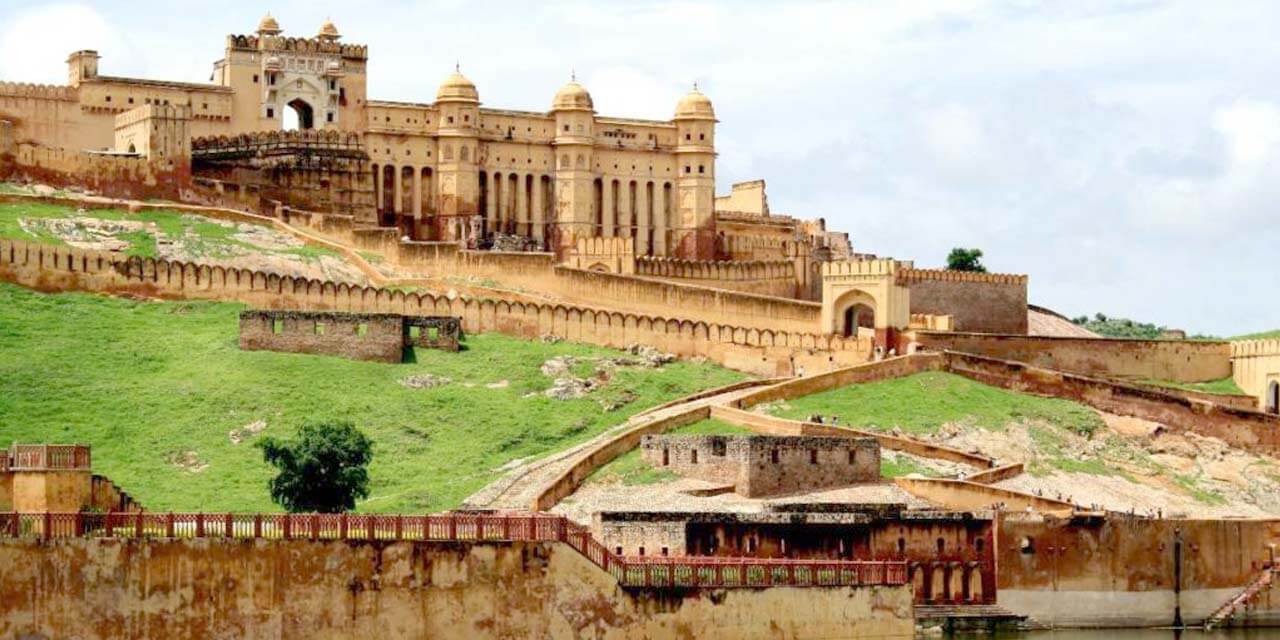
Majestic hilltop fort-palace with stunning architecture, intricate mirror work, and panoramic views of Maota Lake and the surrounding hills.
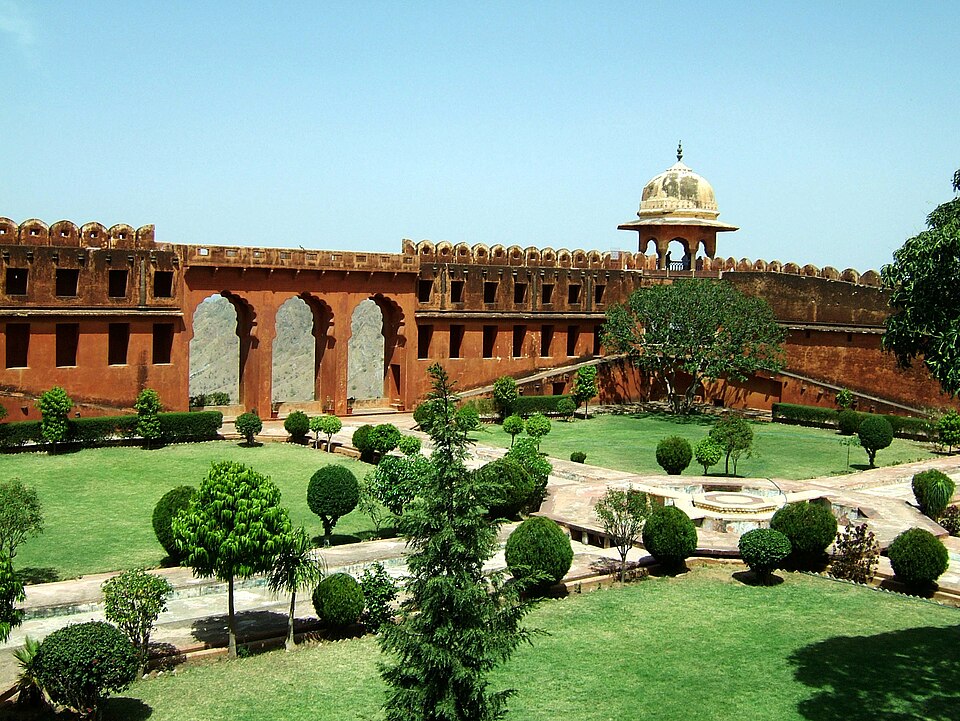
A rugged fort famous for housing Jaivana, once the world's largest cannon on wheels, and for its extensive water harvesting system.
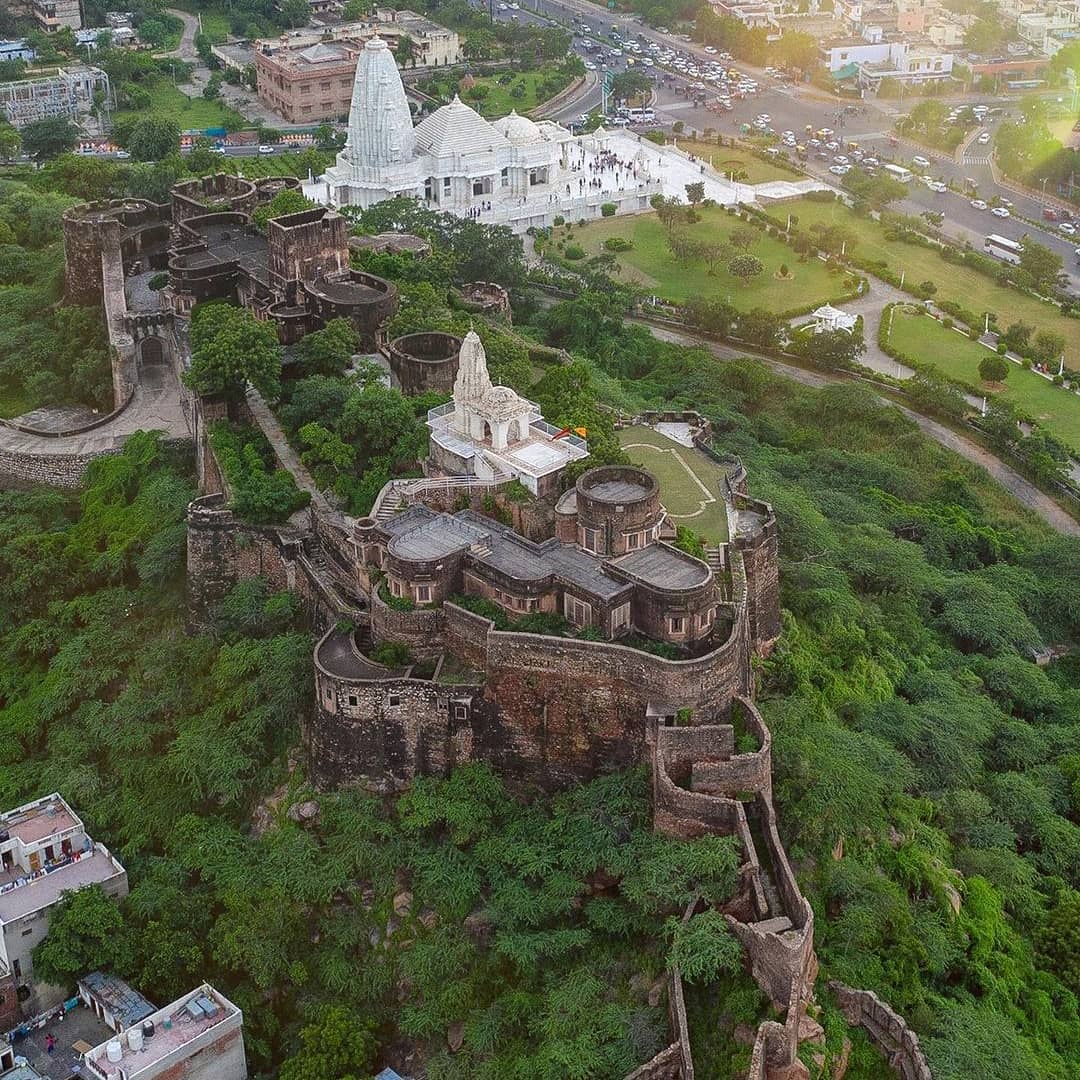
A small fortress built on a hill, resembling a pearl drop, with a Ganesh temple inside that is popular among locals and tourists.
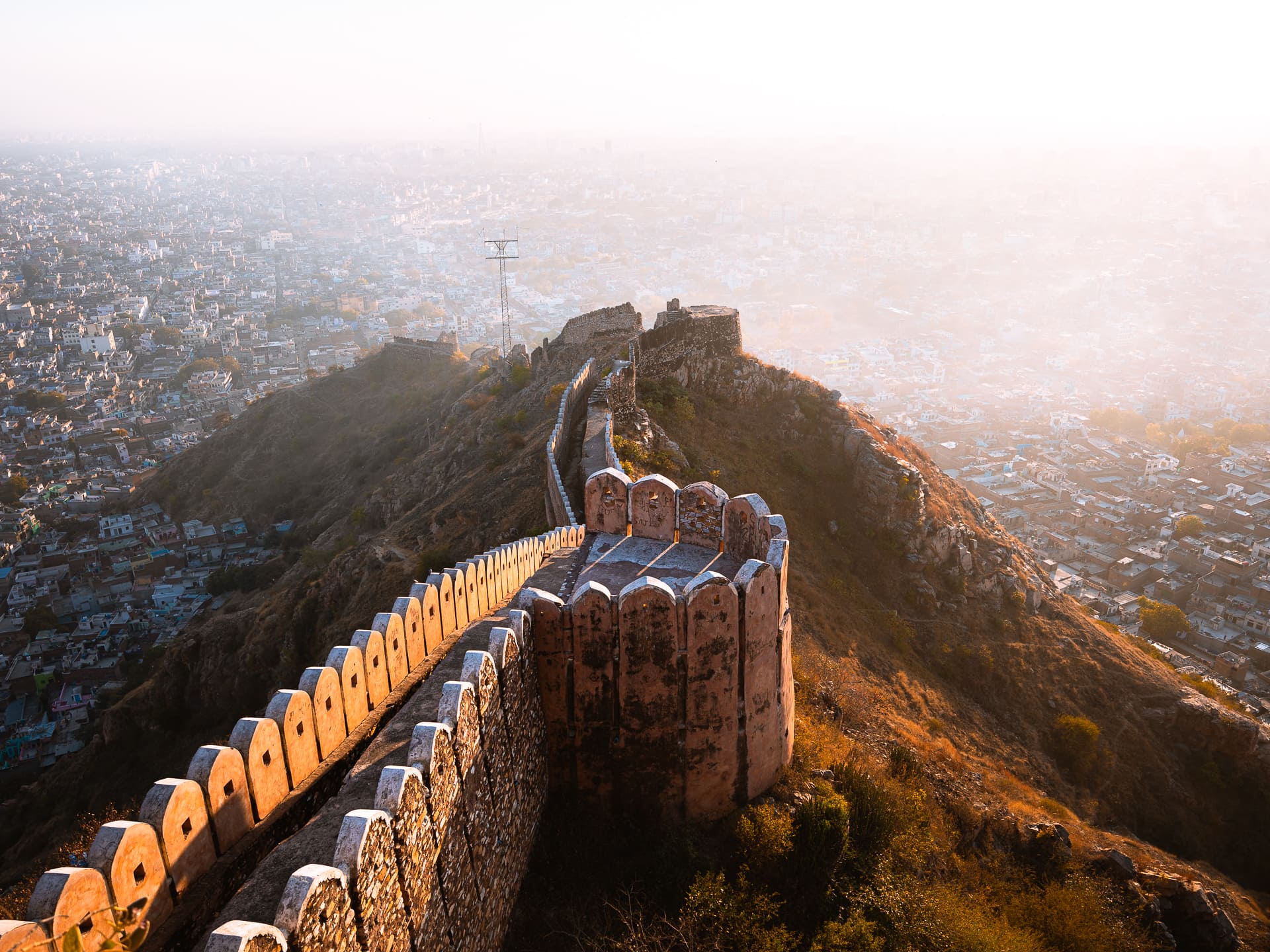
A formidable fort offering spectacular views of Jaipur city, especially beautiful at sunset and known for its extended wall connecting it to Jaigarh Fort.
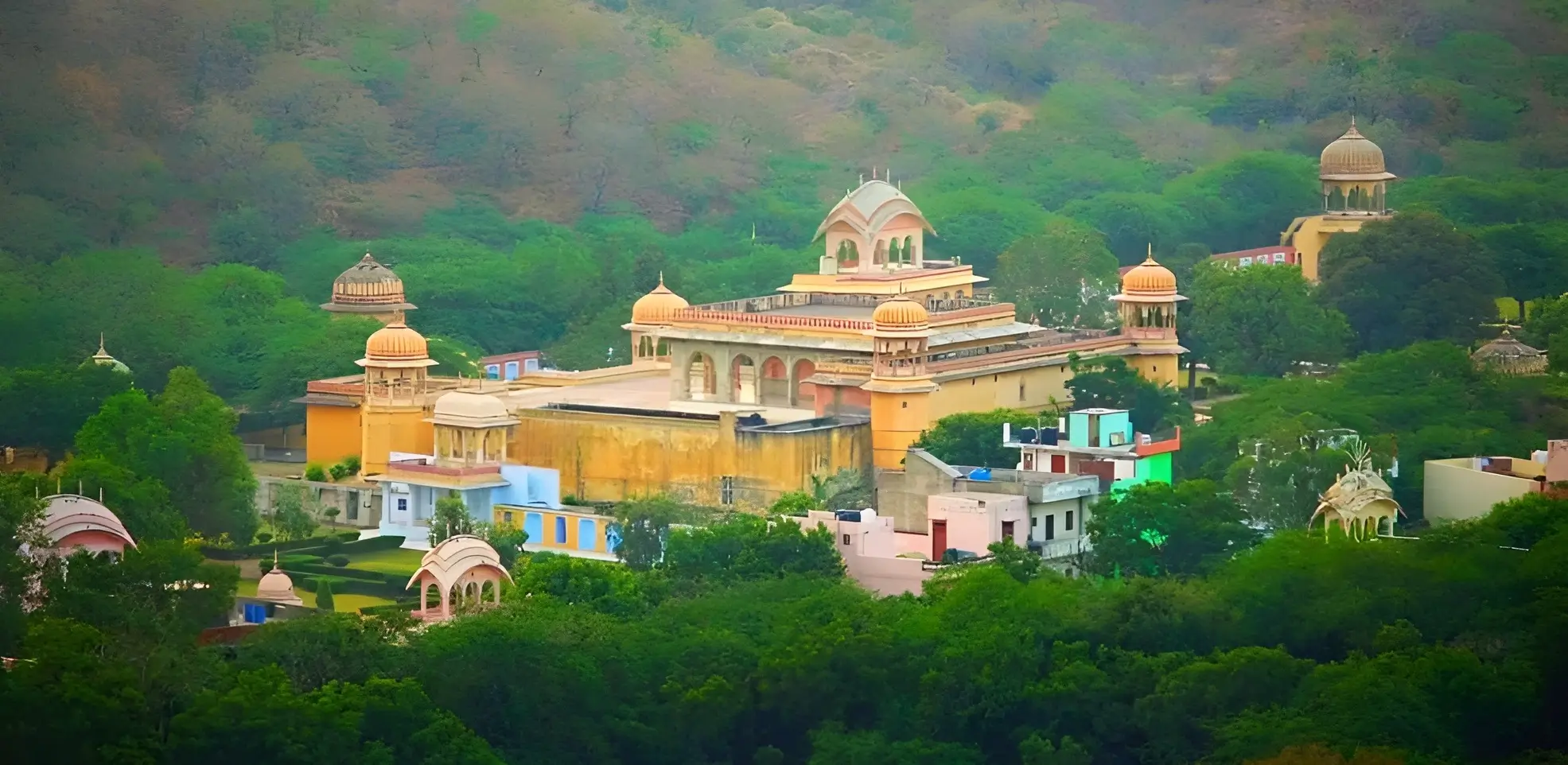
A scenic garden complex surrounded by the Aravalli Hills, ideal for photography, picnics, and peaceful walks near Amber Fort.
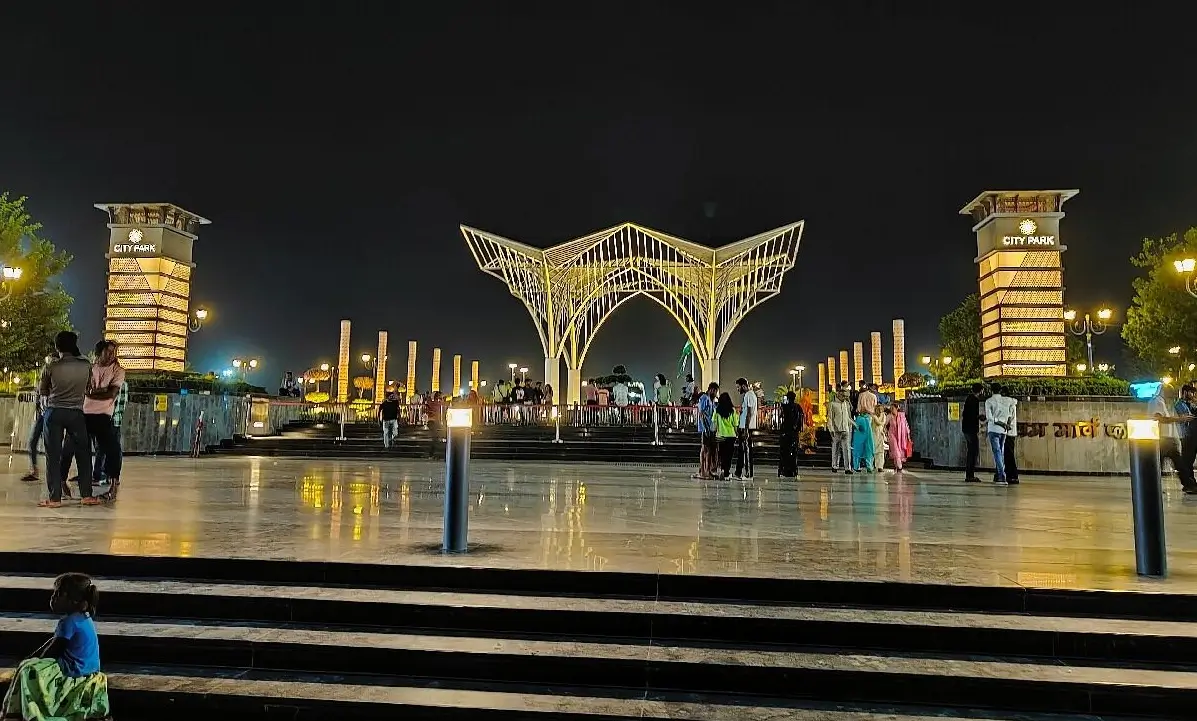
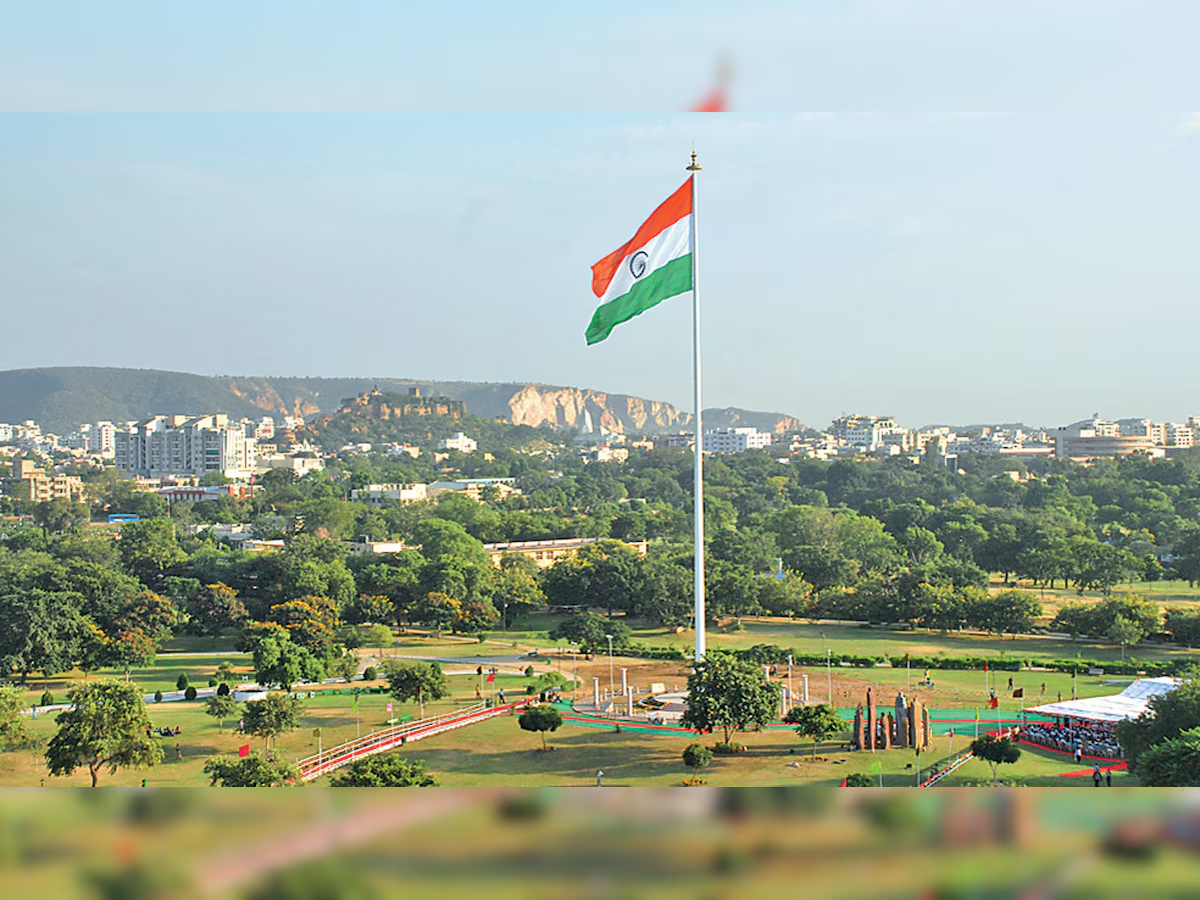
A large urban garden in Jaipur with lush lawns, walking paths, water channels and flowerbeds, ideal for relaxation and family time.
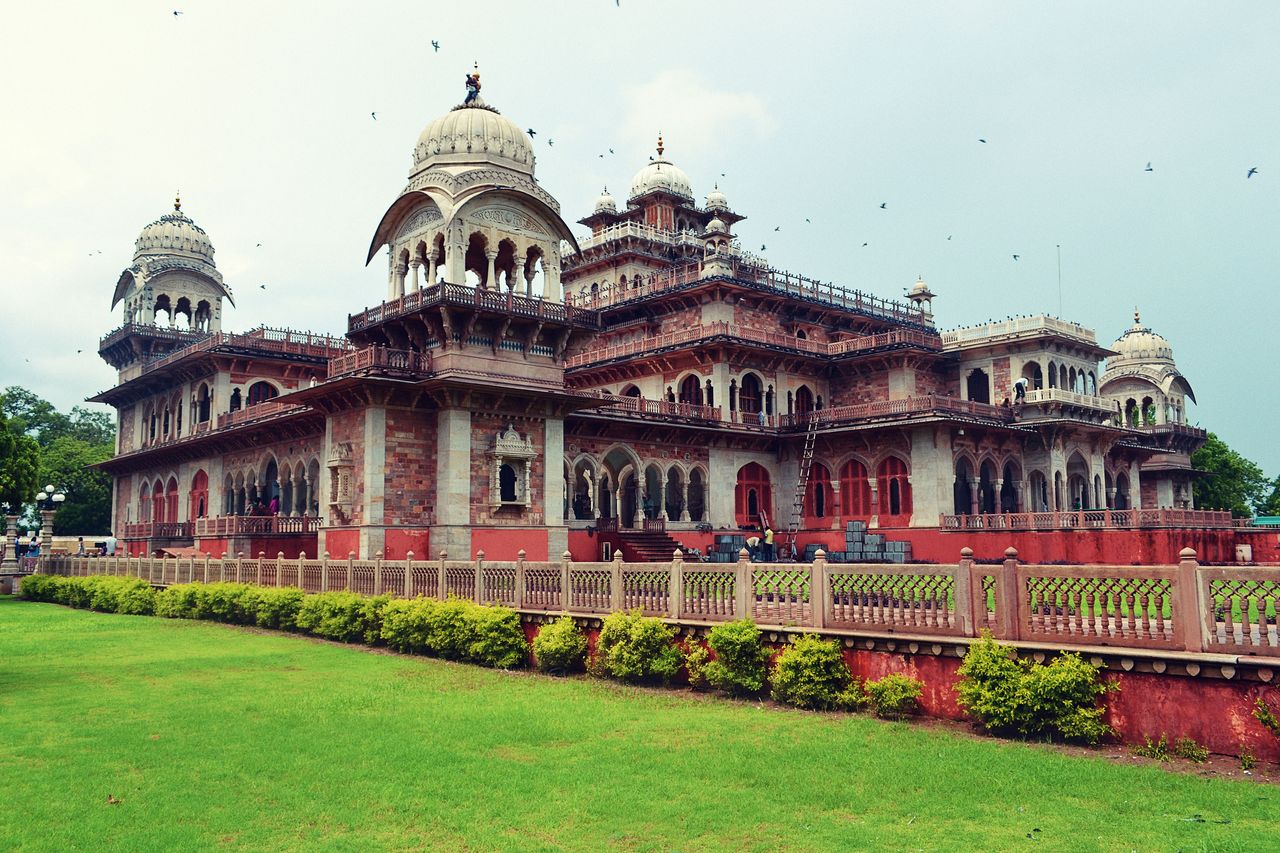
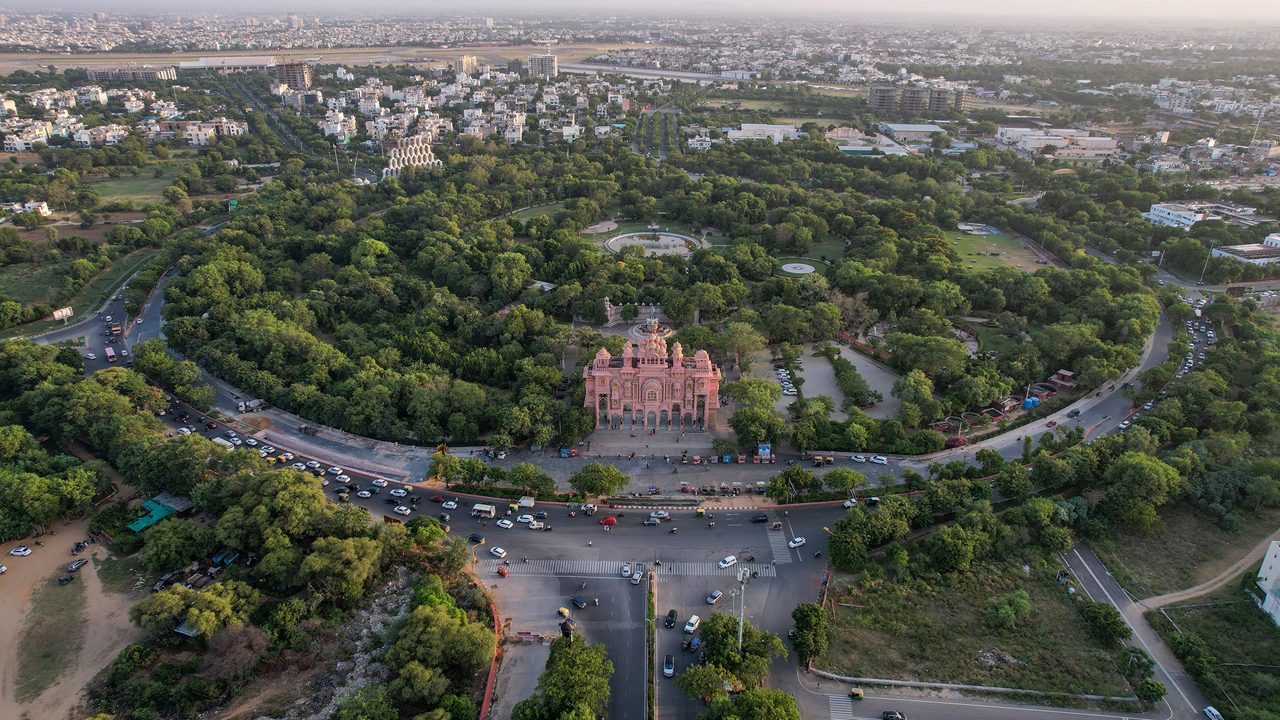
Historic public garden established in 1868, home to the Albert Hall Museum, zoo, art gallery, and exhibition ground.
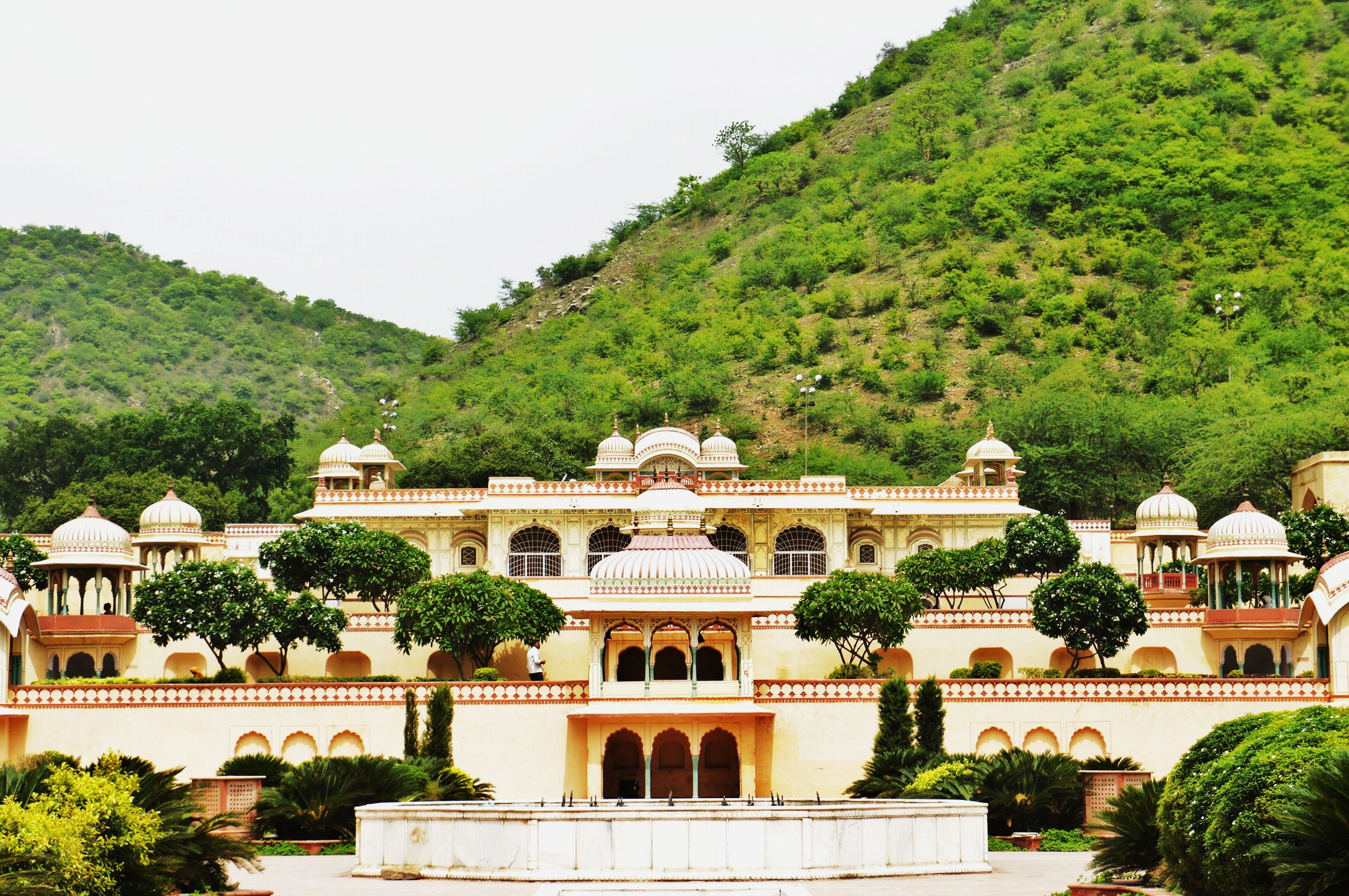
A multi-level garden featuring pavilions, fountains, and beautiful frescoes depicting scenes from the life of Lord Krishna.
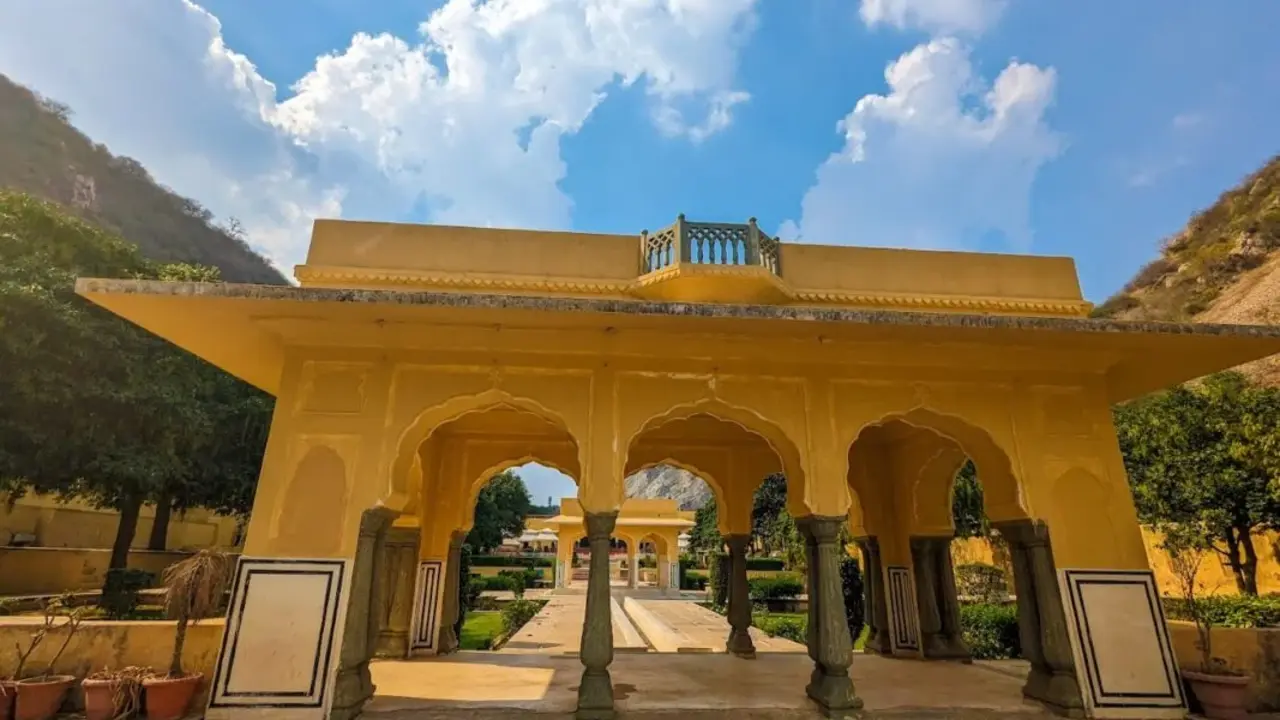
A serene garden in Jaipur blending Mughal and Rajput architecture, perfect for leisurely walks, photography, and peaceful moments amidst terraced lawns and fountains.
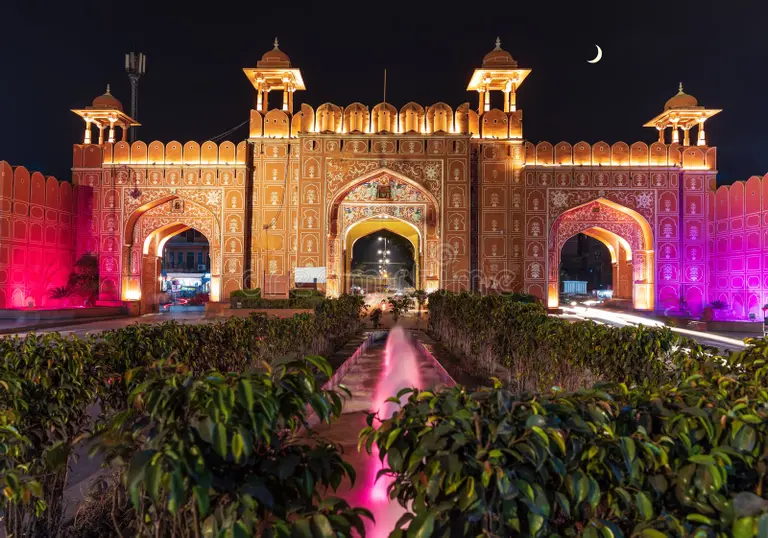
Historic gateway to the walled city of Jaipur, named after the road leading to Ajmer and featuring traditional Rajasthani architecture..
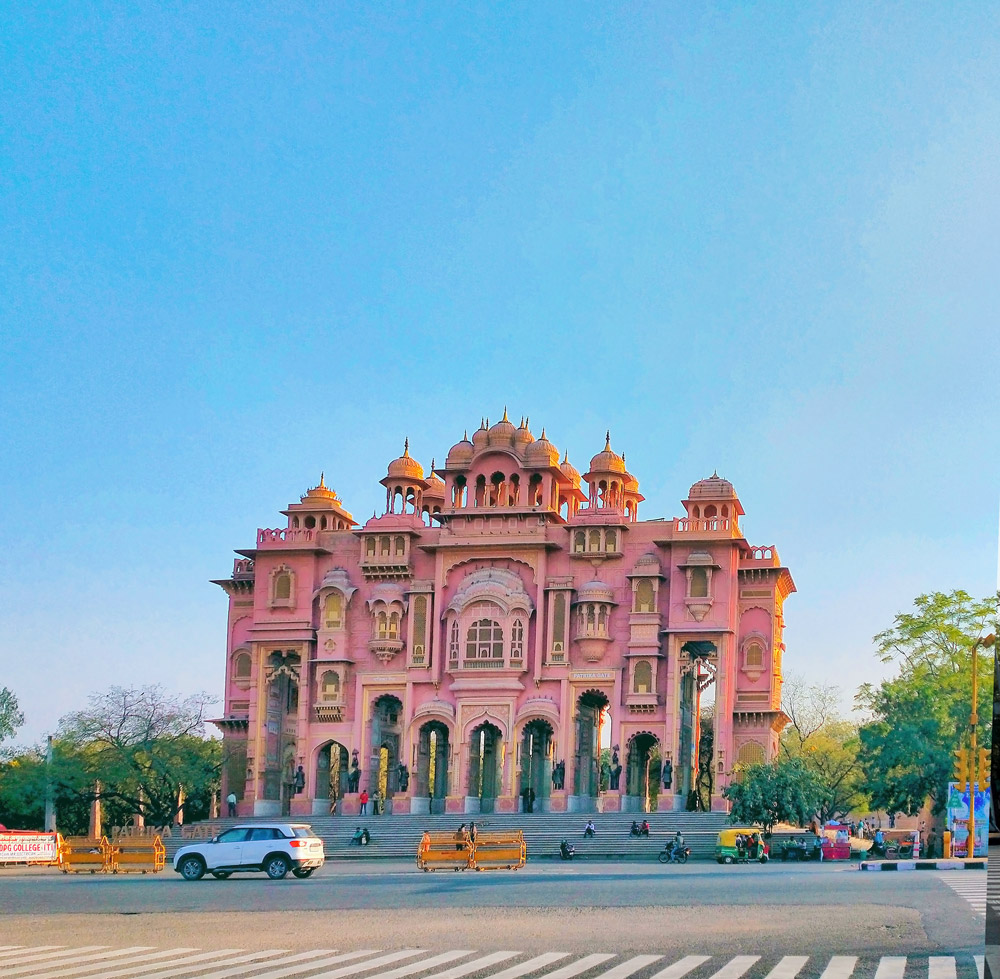
Ornate gateway featuring intricate artwork depicting Rajasthan's history, culture, and architecture, located at the entrance of Jawahar Circle Garden.
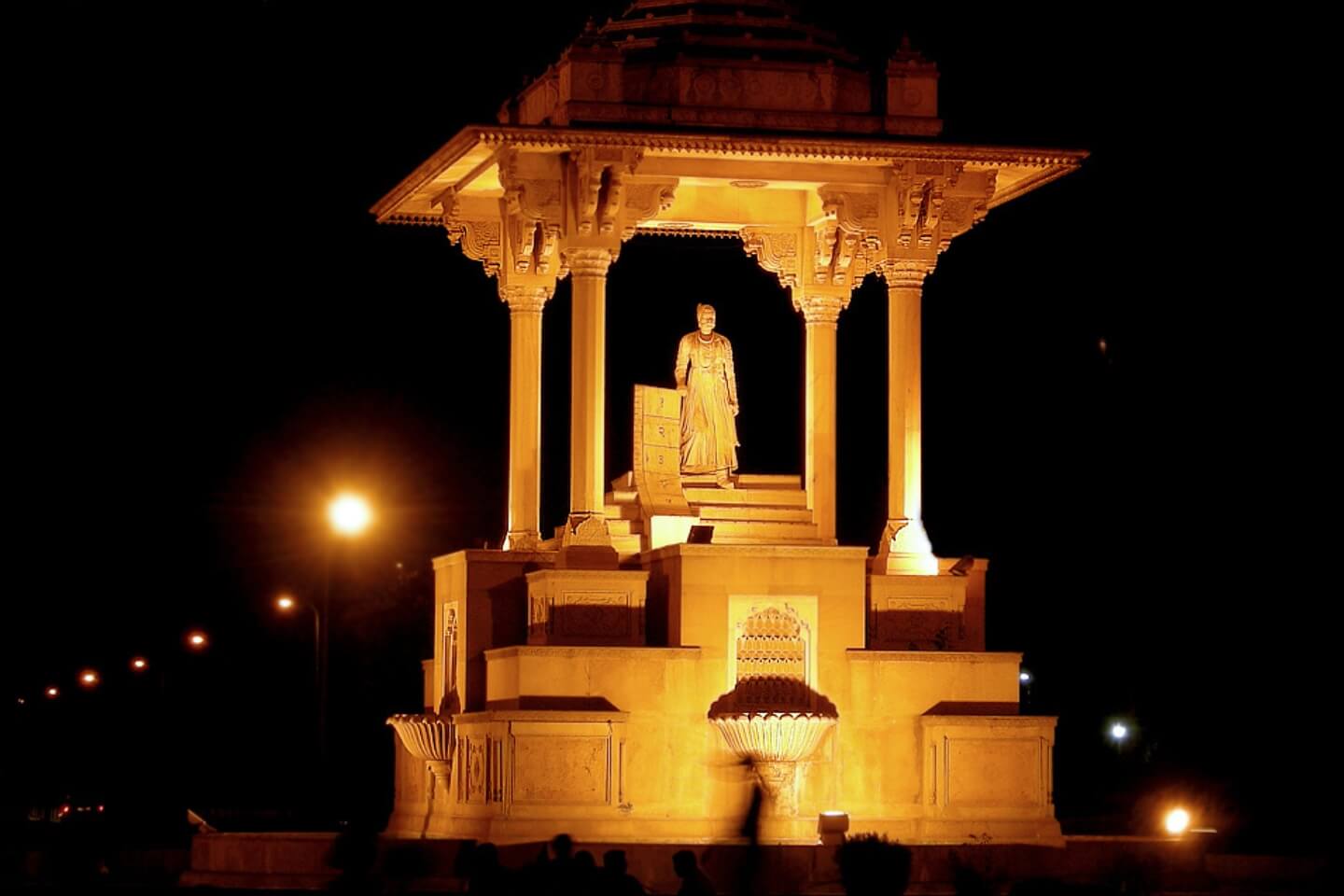
Prominent roundabout featuring a statue of Maharaja Sawai Jai Singh II, the founder of Jaipur, surrounded by gardens and fountains.
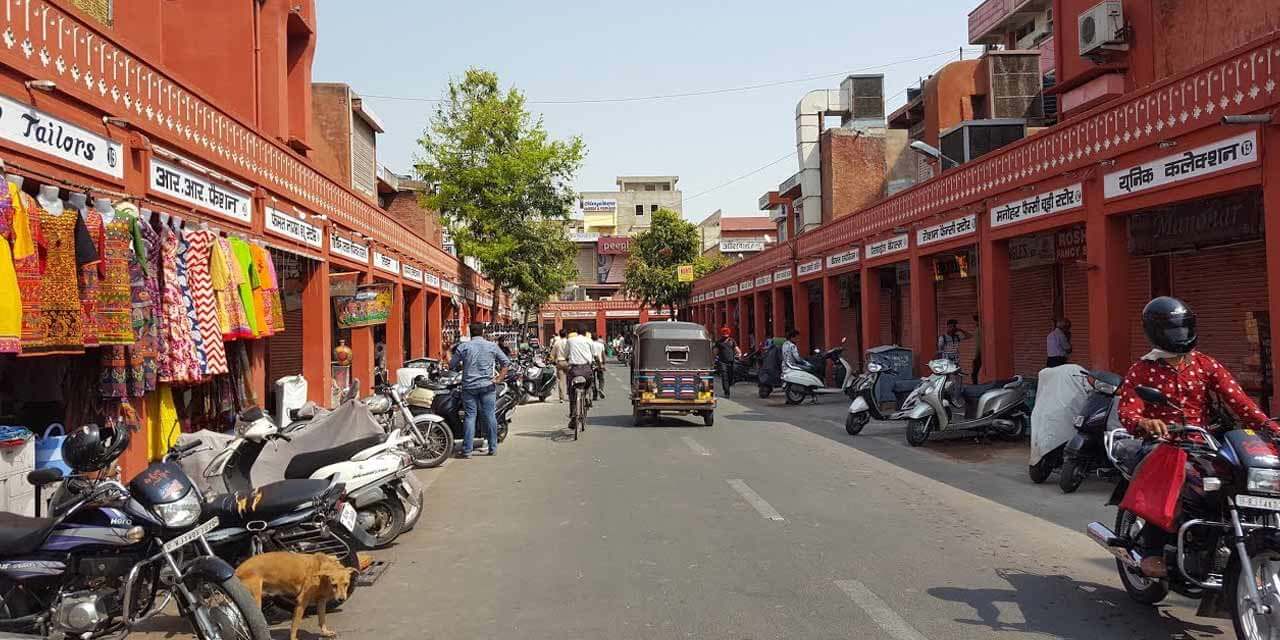
Popular market for textiles, traditional Rajasthani clothing, bedsheets, quilts, and jootis (traditional footwear).

Bustling market known for marble sculptures, wooden furniture, and hardware items, located near the western gate of the Pink City.
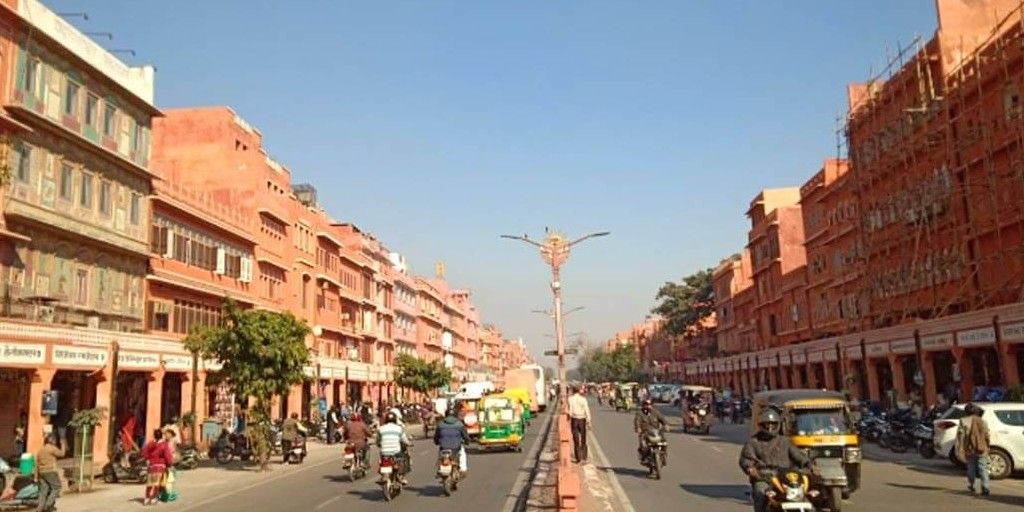
Famous jewelry market in the heart of the Pink City, known for traditional Rajasthani jewelry, precious gems, and ornaments.
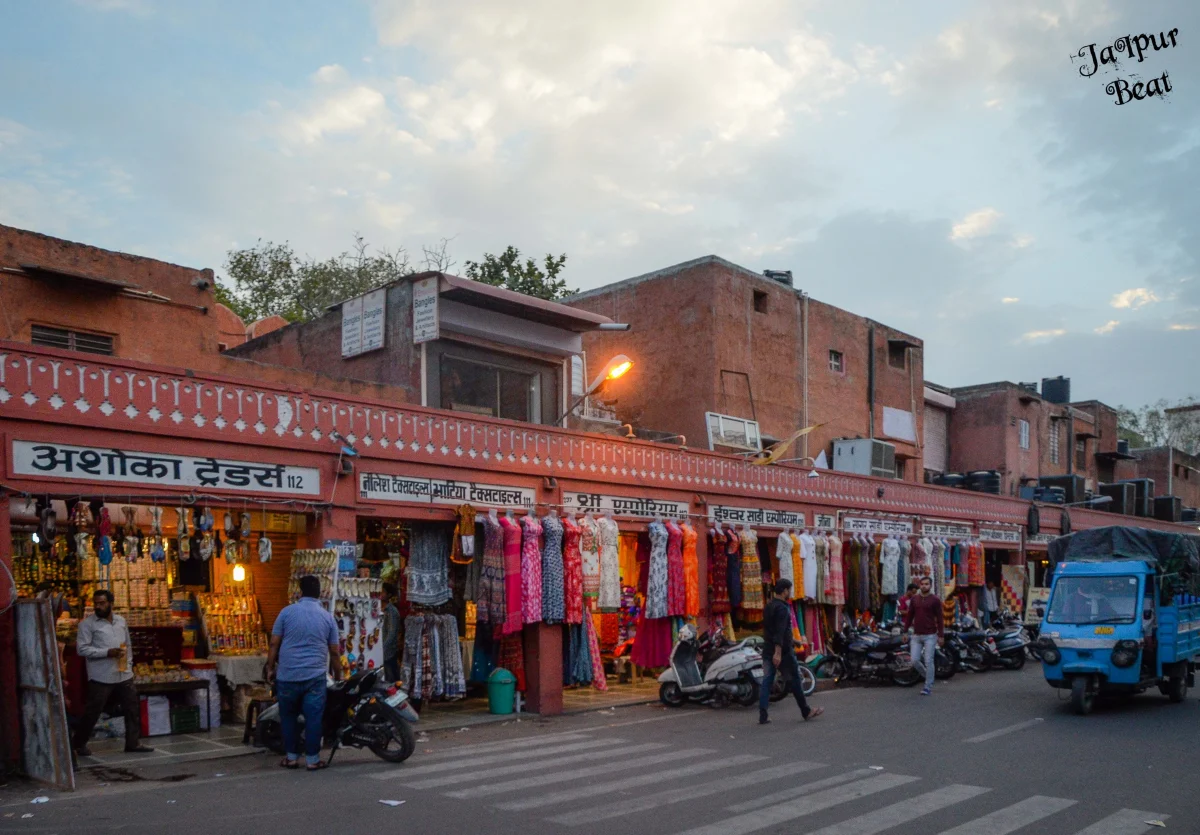
Popular market for traditional Rajasthani footwear (jootis), textiles, and camel leather products.
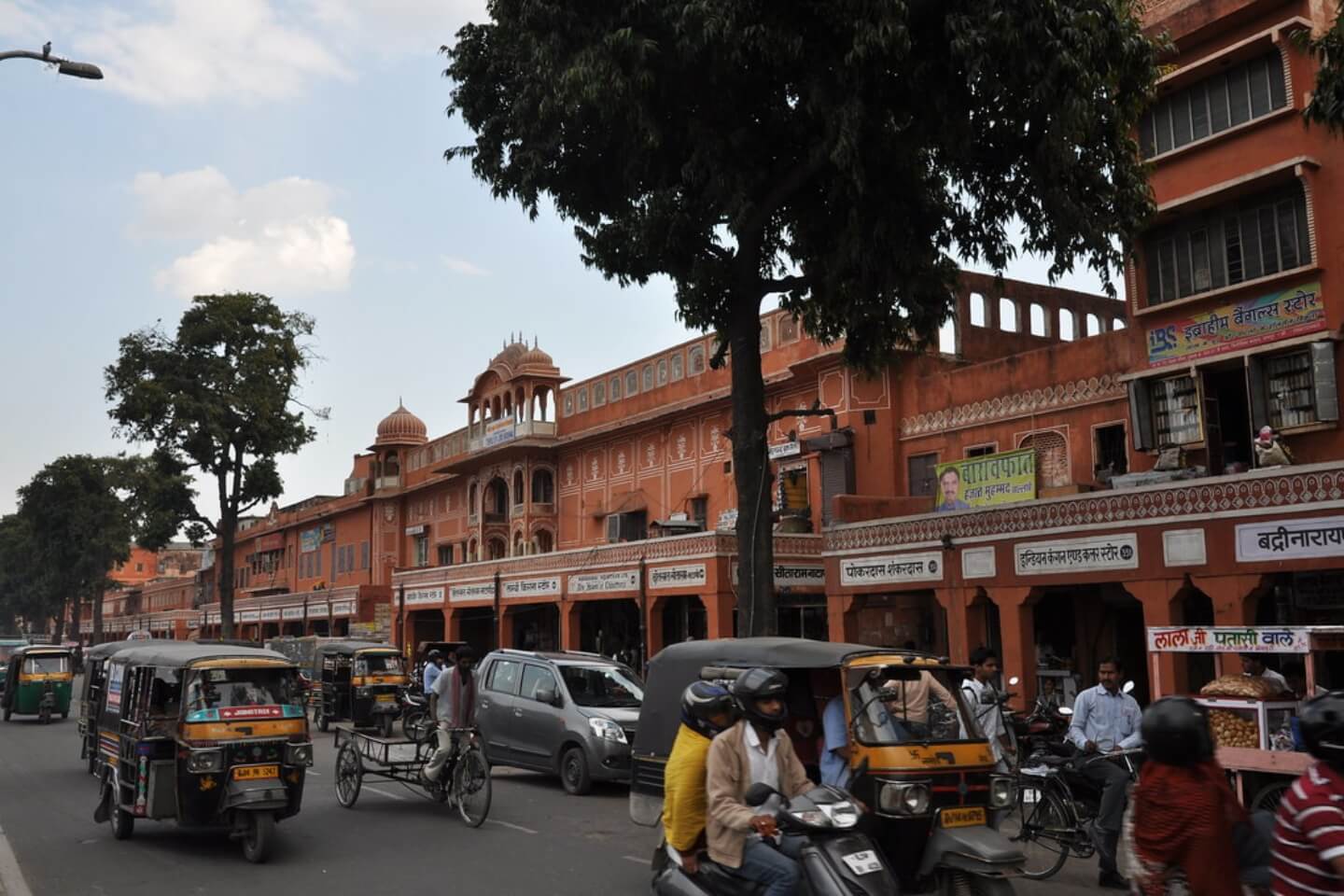
Historic market known for bangles, lacquer work, carpets, and brass work, located near the City Palace.
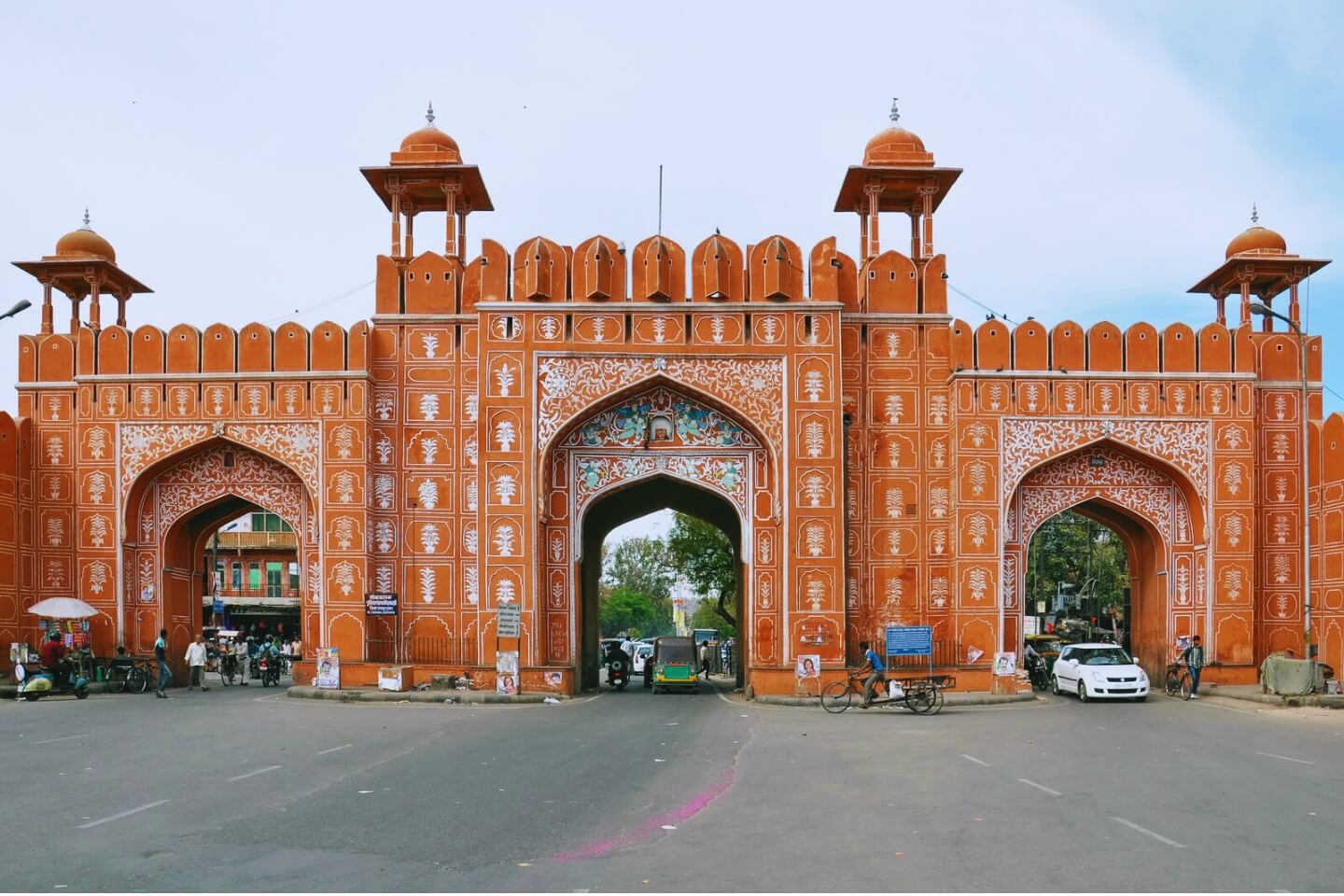
One of the historic gates to Jaipur's walled city, known for its architectural beauty and as an entry point to the old city markets.
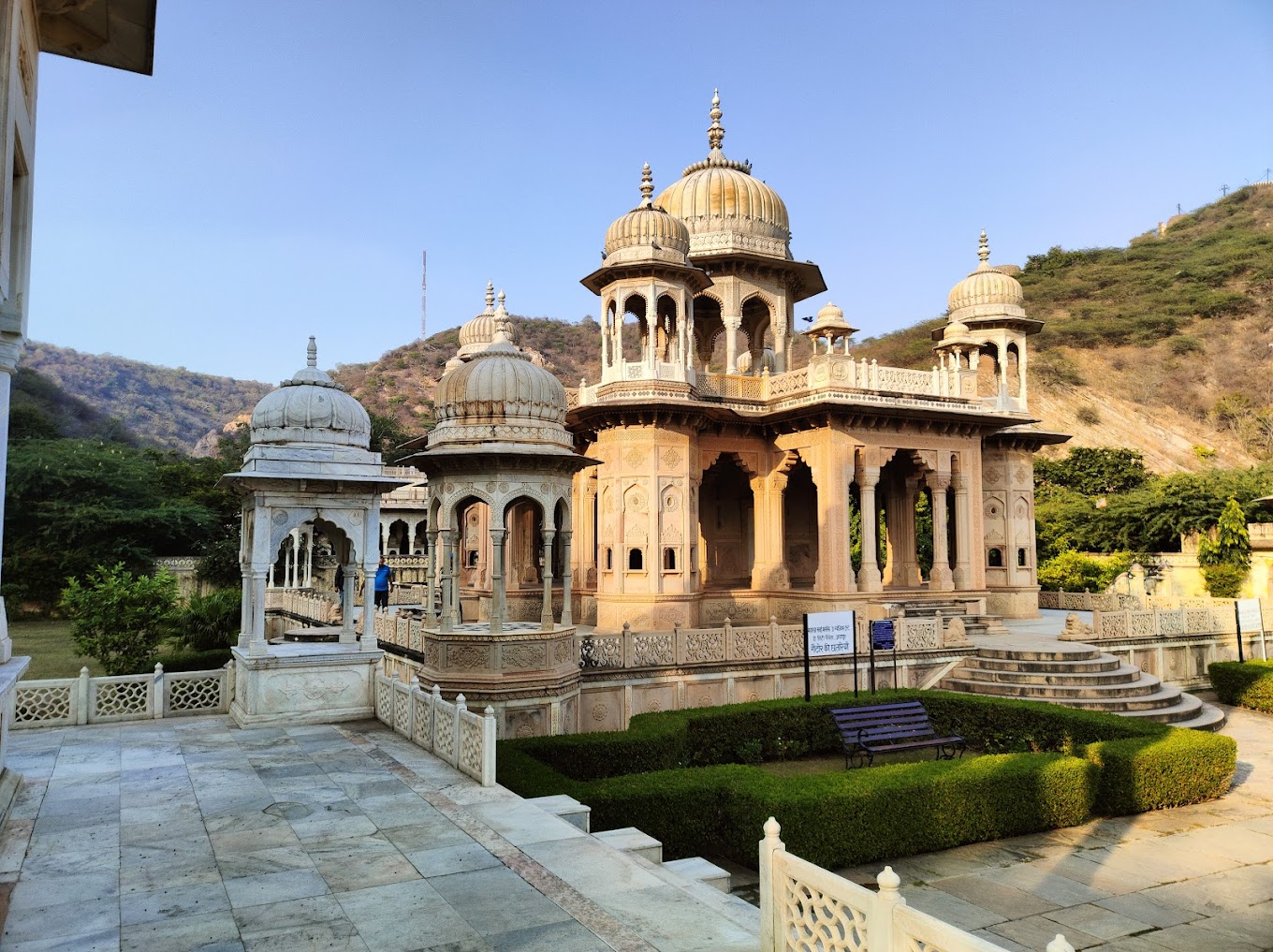
A royal cremation ground featuring beautiful marble cenotaphs of Jaipur's rulers, known for its intricate architecture and peaceful atmosphere.
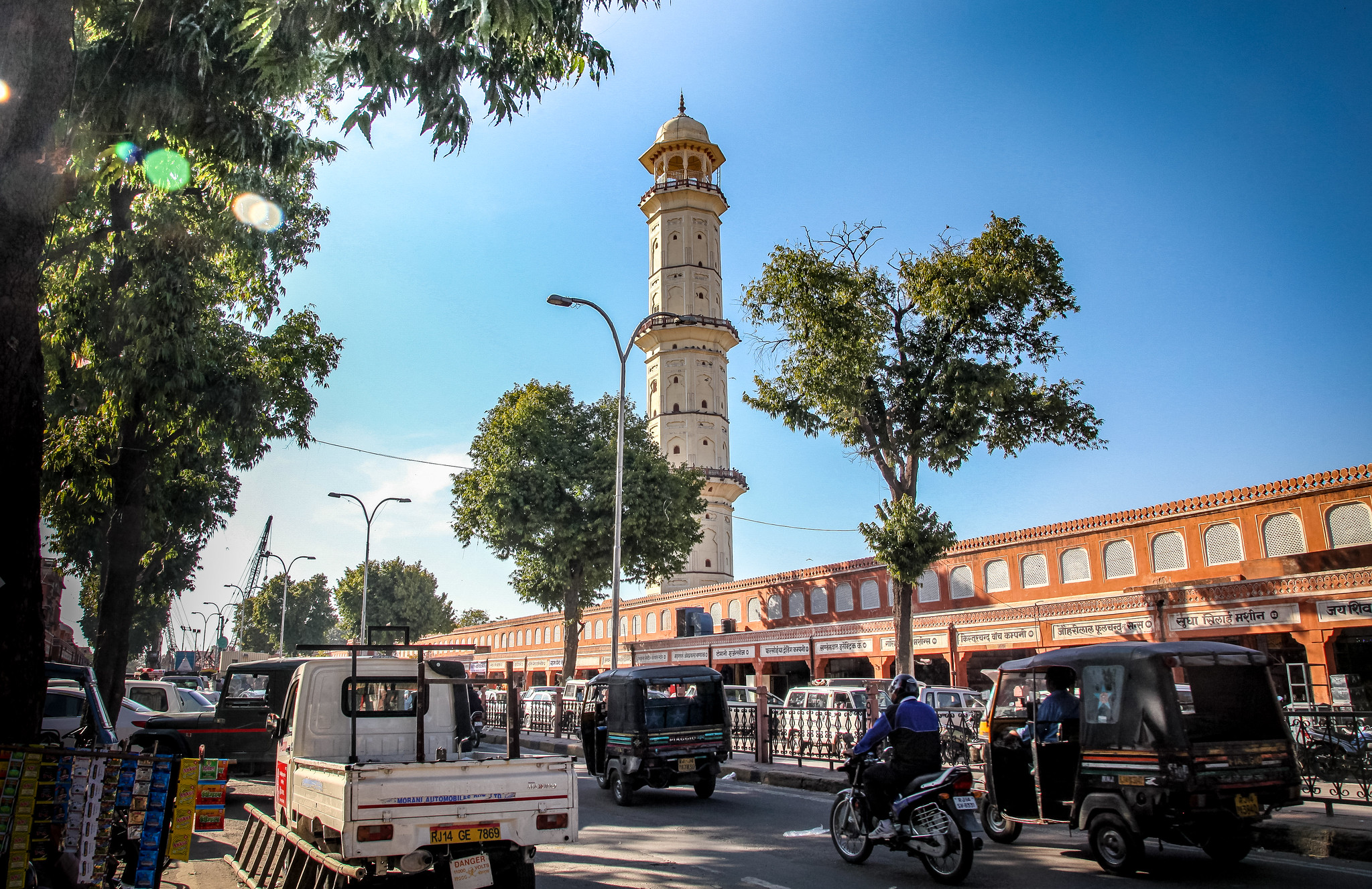
Historic minaret offering panoramic views of Jaipur city, built by Maharaja Iswari Singh in the 18th century.
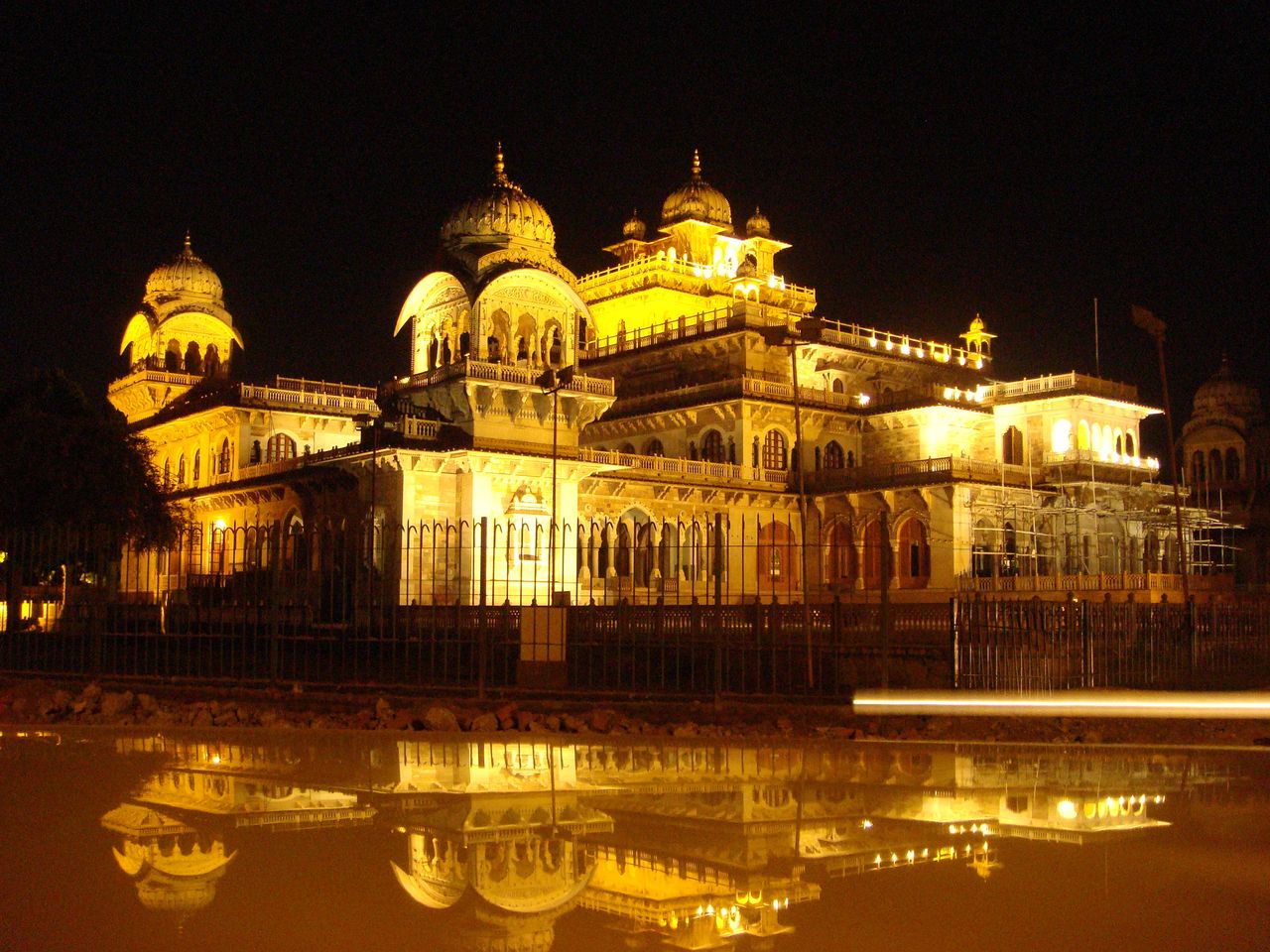
Oldest museum in Rajasthan housing a rich collection of artifacts including paintings, jewelry, carpets, ivory, stone, metal sculptures, and works in crystal..
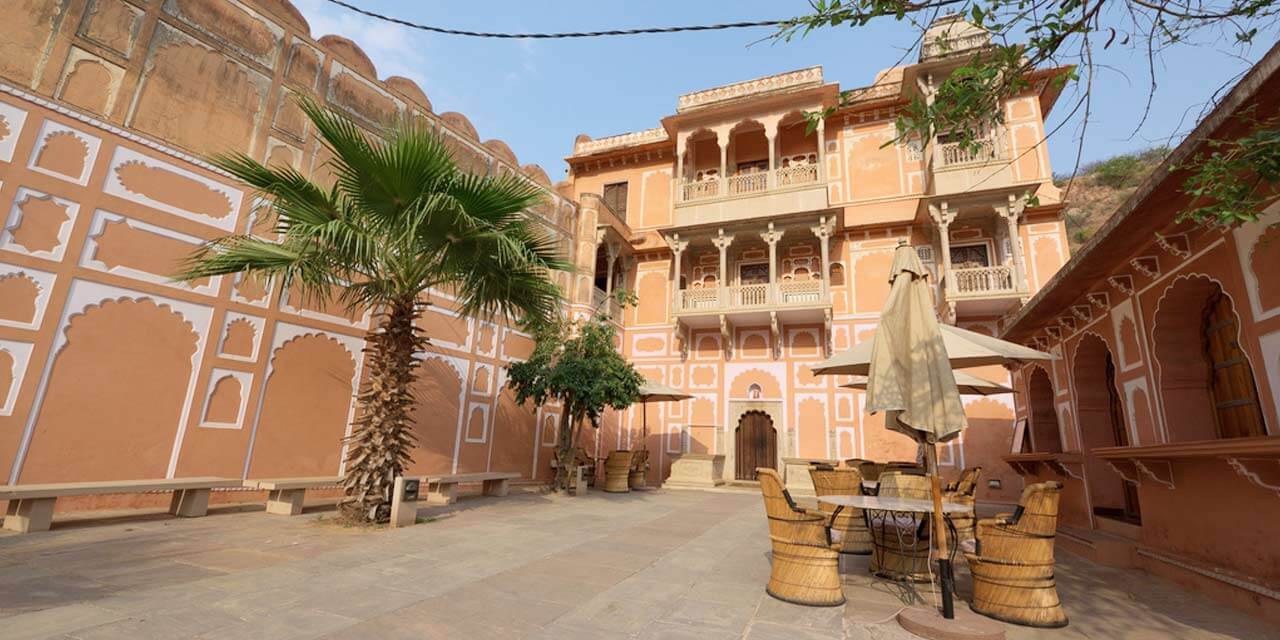
Museum dedicated to the traditional art of hand block printing, housed in a restored haveli (mansion) in Amber.
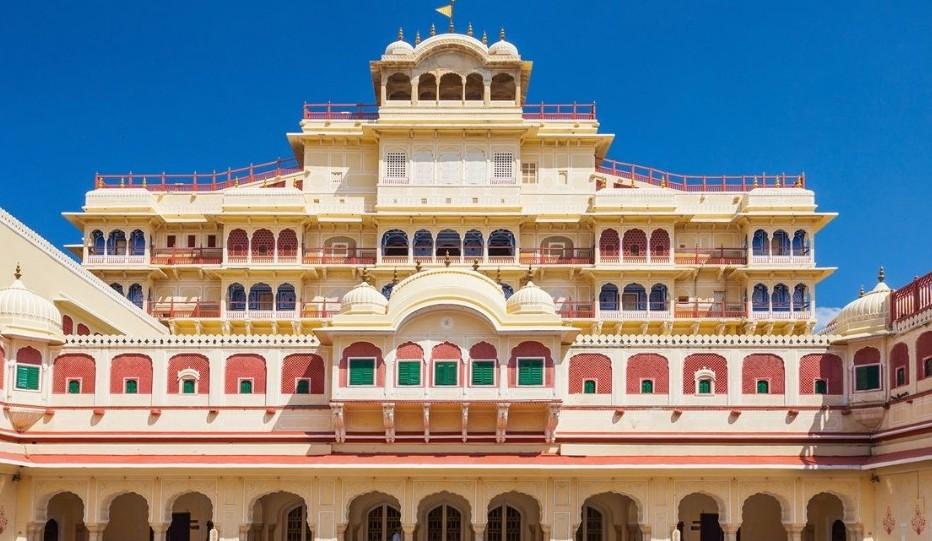
A stunning complex of courtyards, gardens, and buildings in the heart of the Pink City, showcasing a blend of Rajasthani and Mughal architecture.
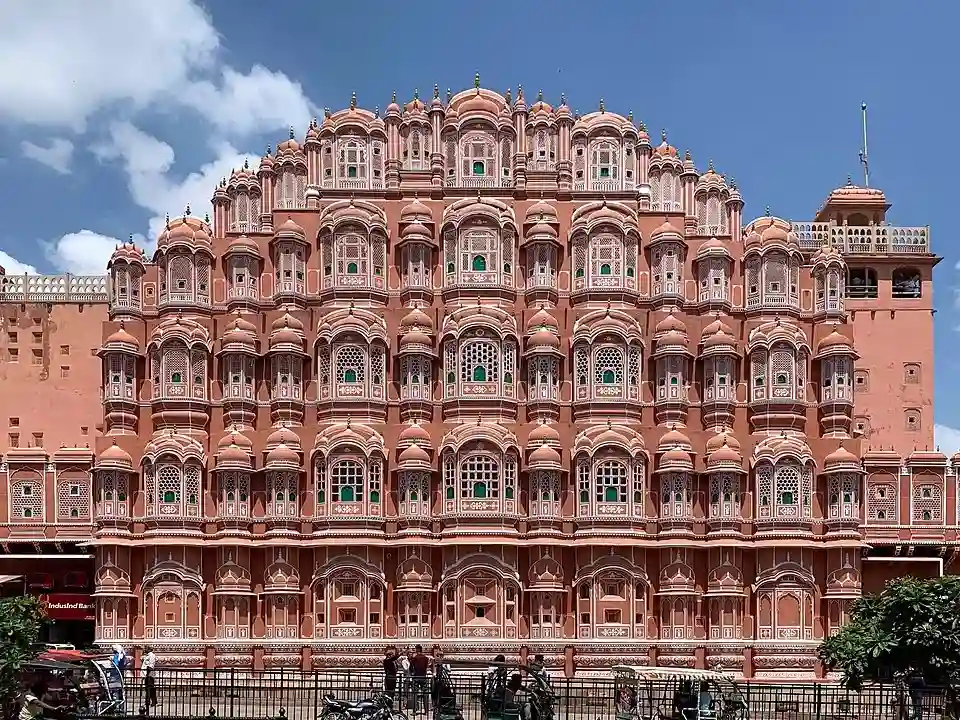
The iconic five-story palace with 953 small windows (jharokhas) designed to allow royal ladies to observe street festivals while unseen.
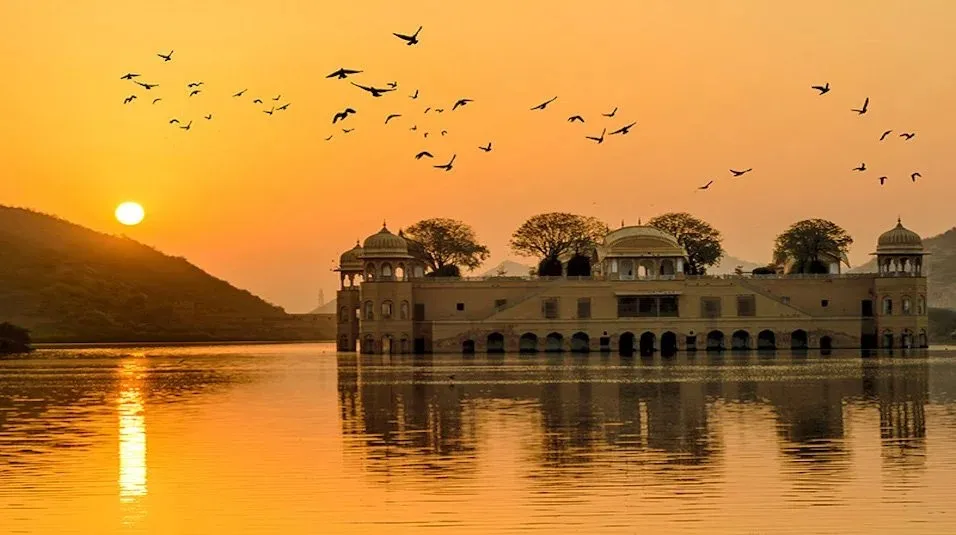
A picturesque palace situated in the middle of Man Sagar Lake, showcasing a unique blend of Rajput and Mughal architectural styles.
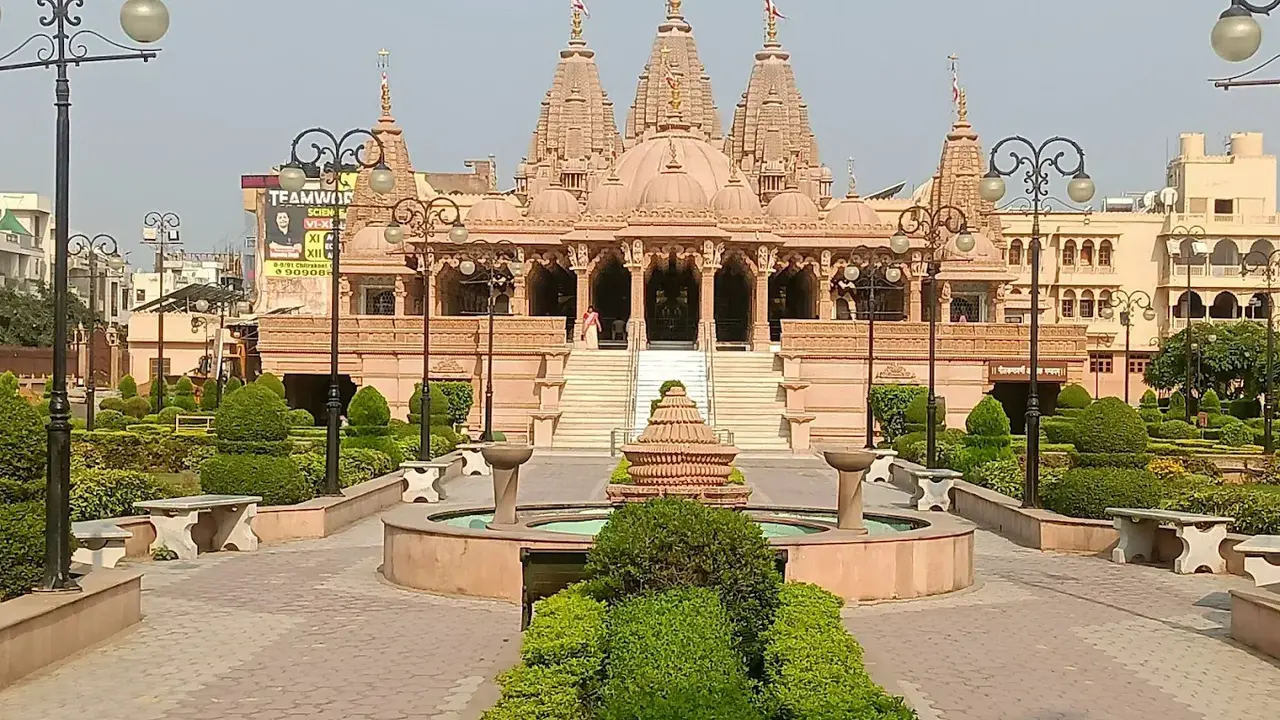
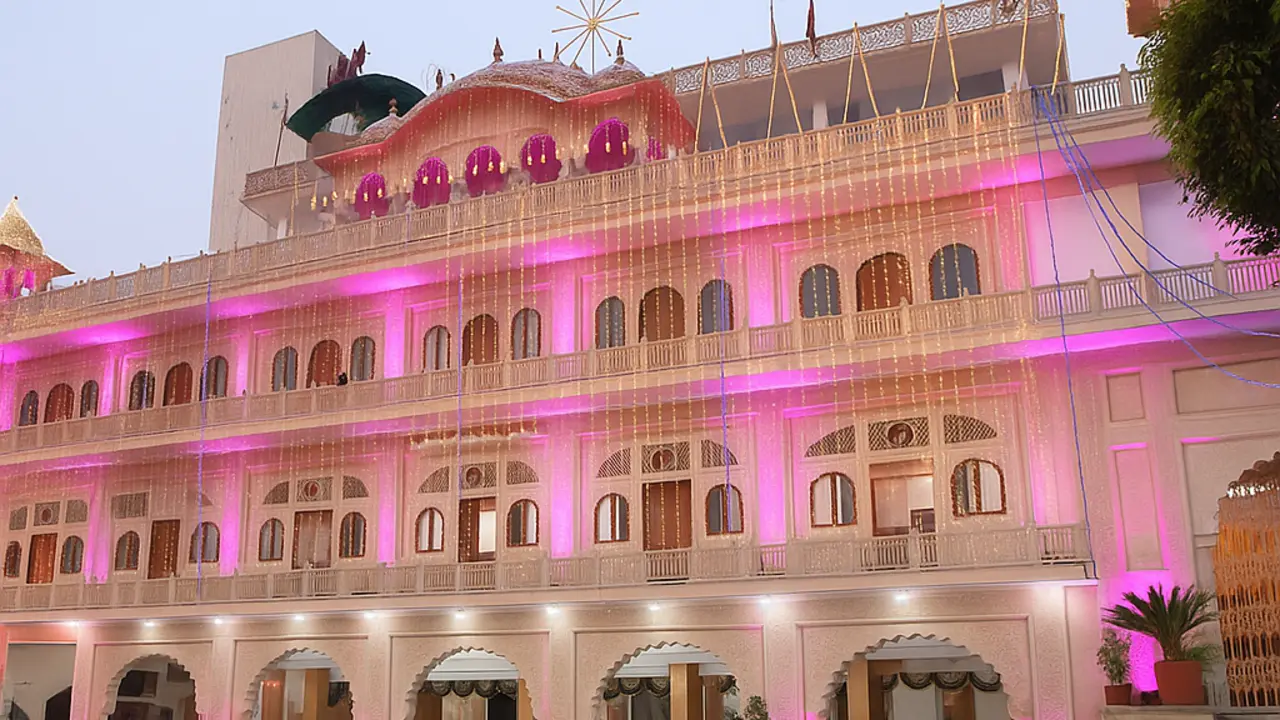
A grand spiritual and cultural temple in Jaipur, featuring intricate architecture, serene gardens, and a peaceful environment for devotion and sightseeing.
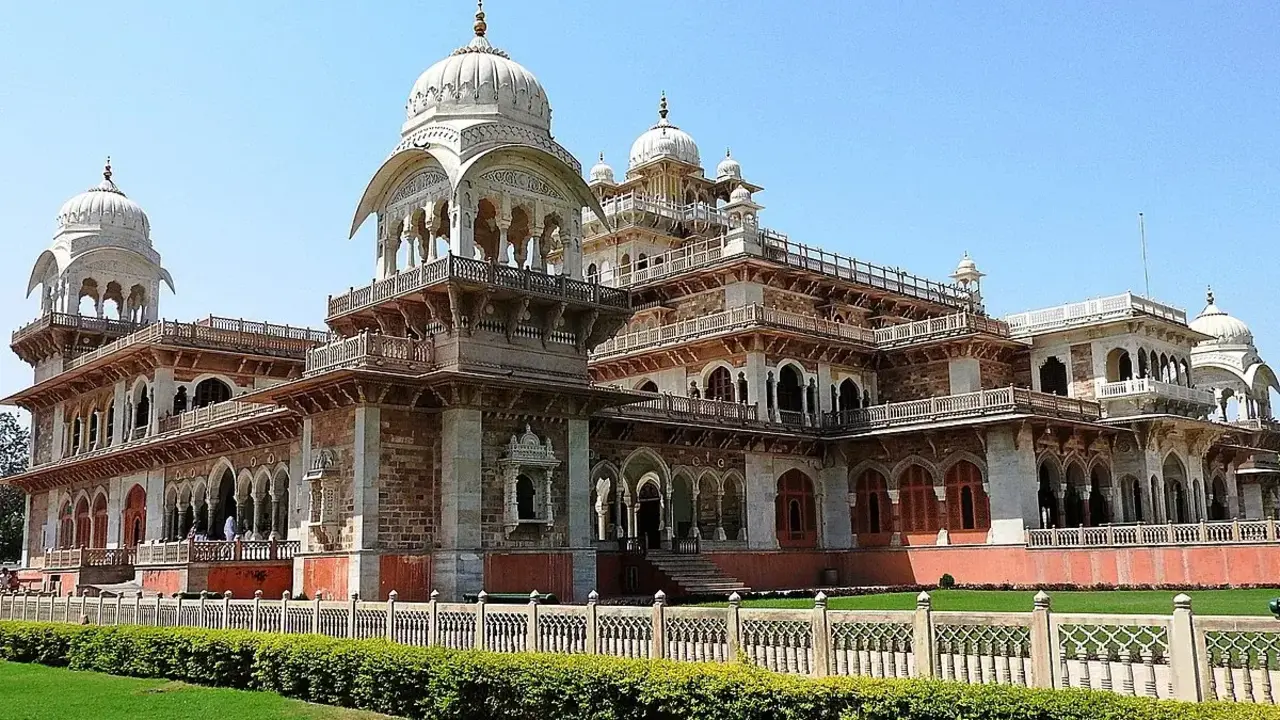
A historic Jain temple on a hill in Jaipur, known for its serene environment, beautiful carvings, and panoramic views of the city and surrounding hills.
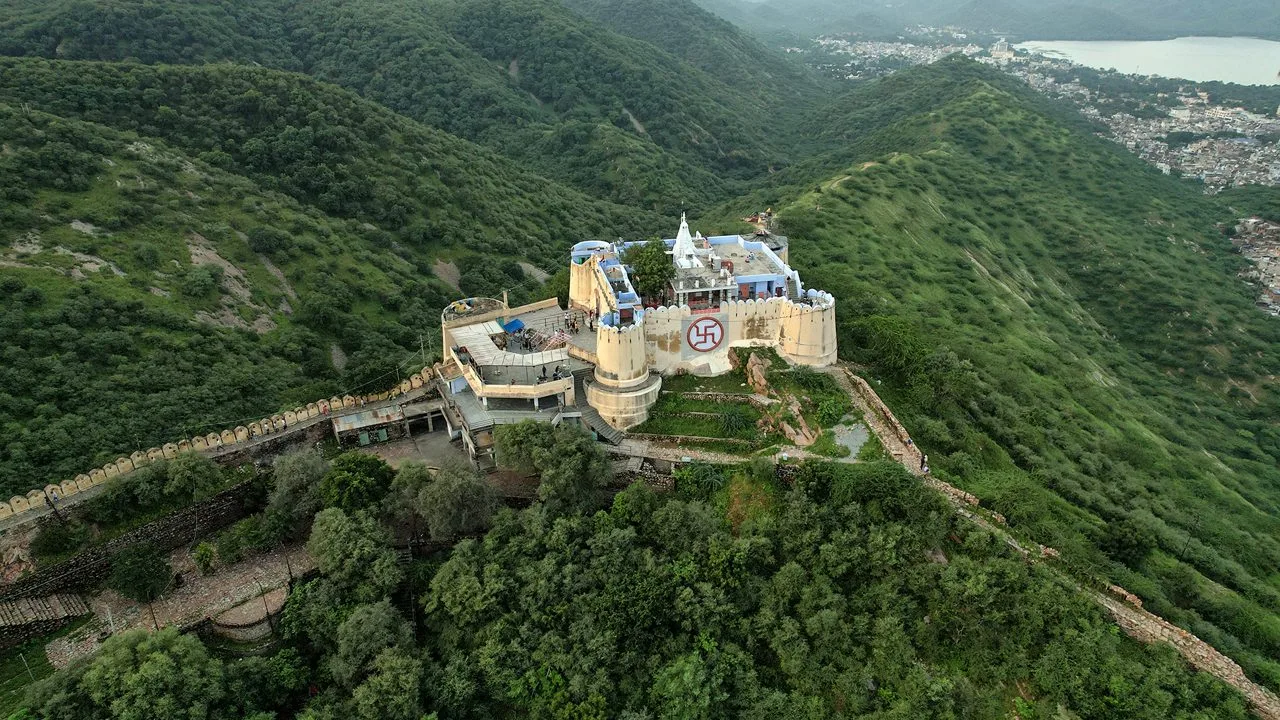
A historic hilltop temple dedicated to Lord Ganesha in Jaipur, known for its panoramic city views, spiritual ambiance, and vibrant local devotion.
A serene hilltop temple in Jaipur dedicated to Lord Hanuman, offering peaceful surroundings, panoramic city views, and a spiritually uplifting experience.
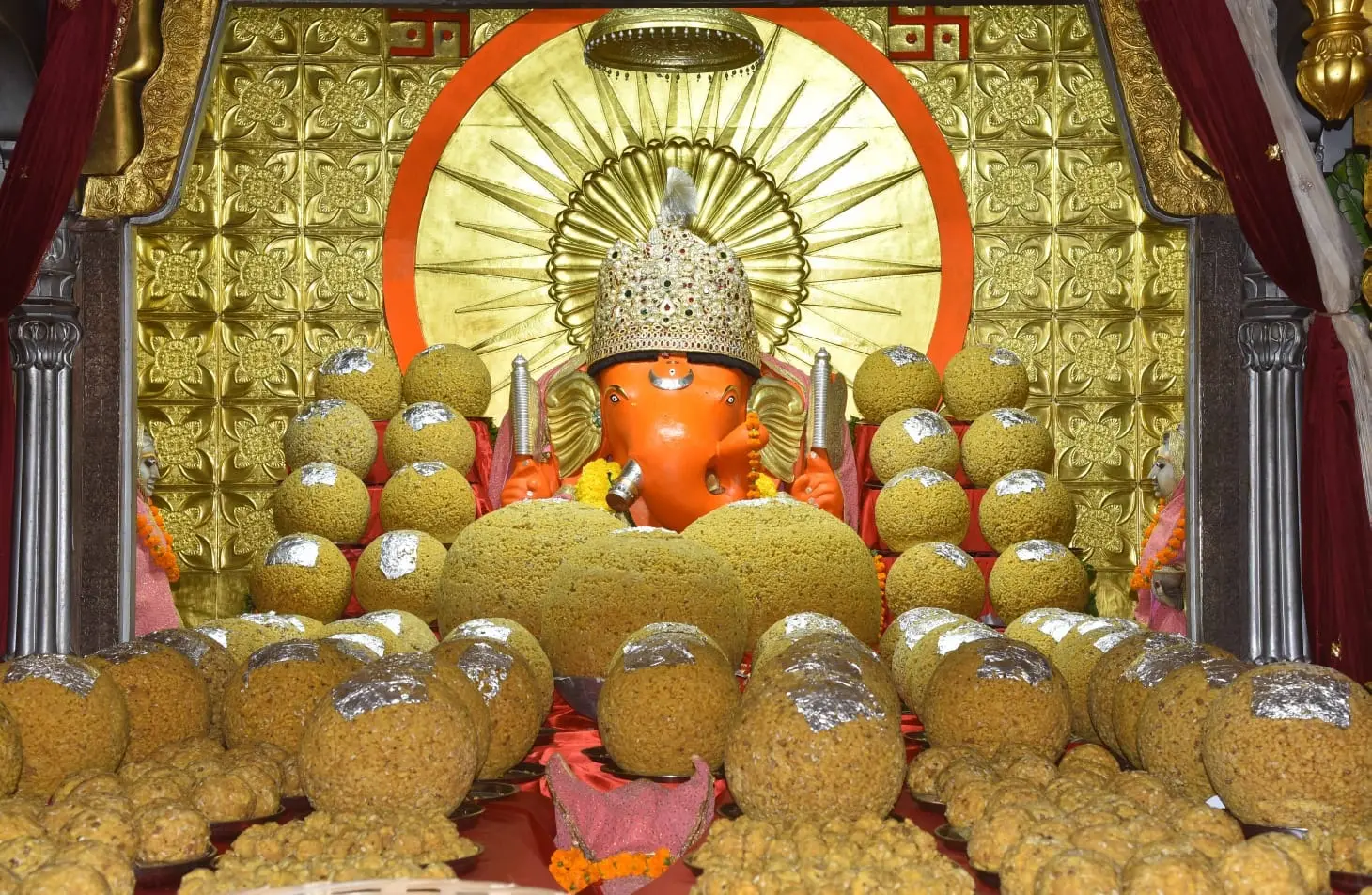
A revered temple in Jaipur dedicated to Lord Ganesha, known for its peaceful ambiance, spiritual significance, and elegant marble architecture set beneath Moti Dungri Fort.
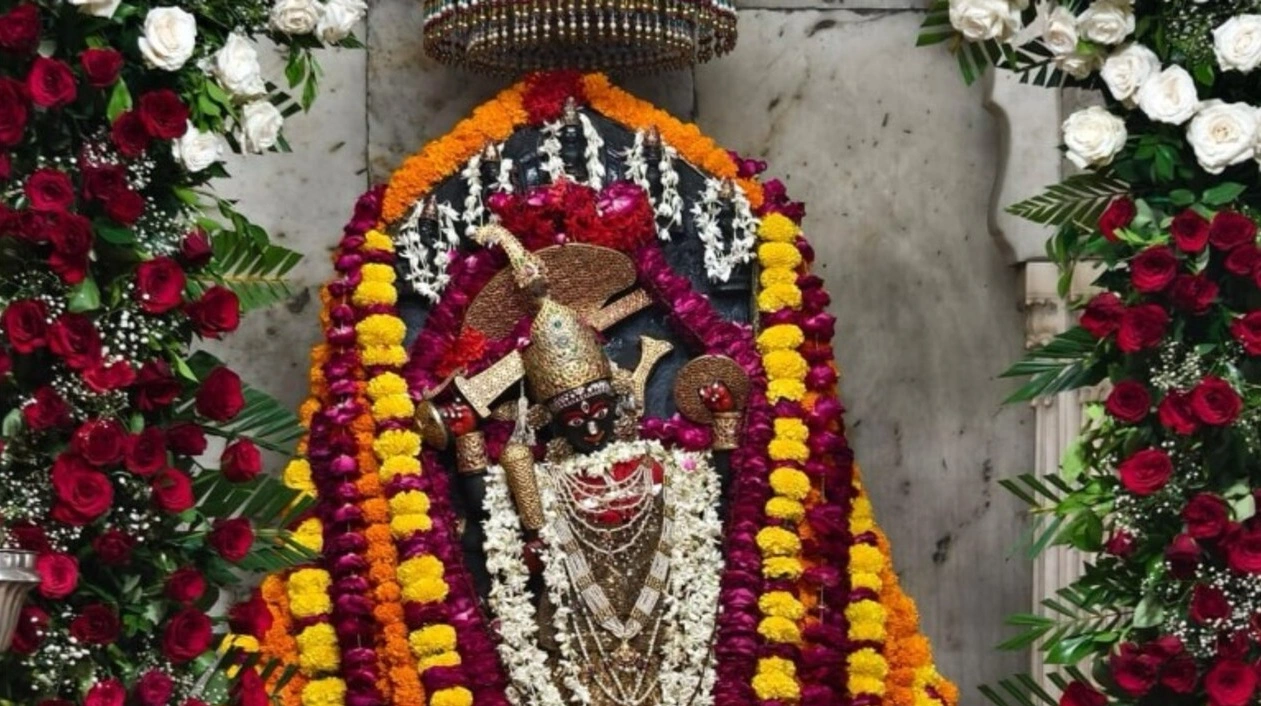
Shila Devi Temple, located inside the historic Amber Fort in Jaipur, is a revered shrine dedicated to Goddess Kali. Known for its divine aura and ancient legends, it attracts thousands of devotees and tourists every year.
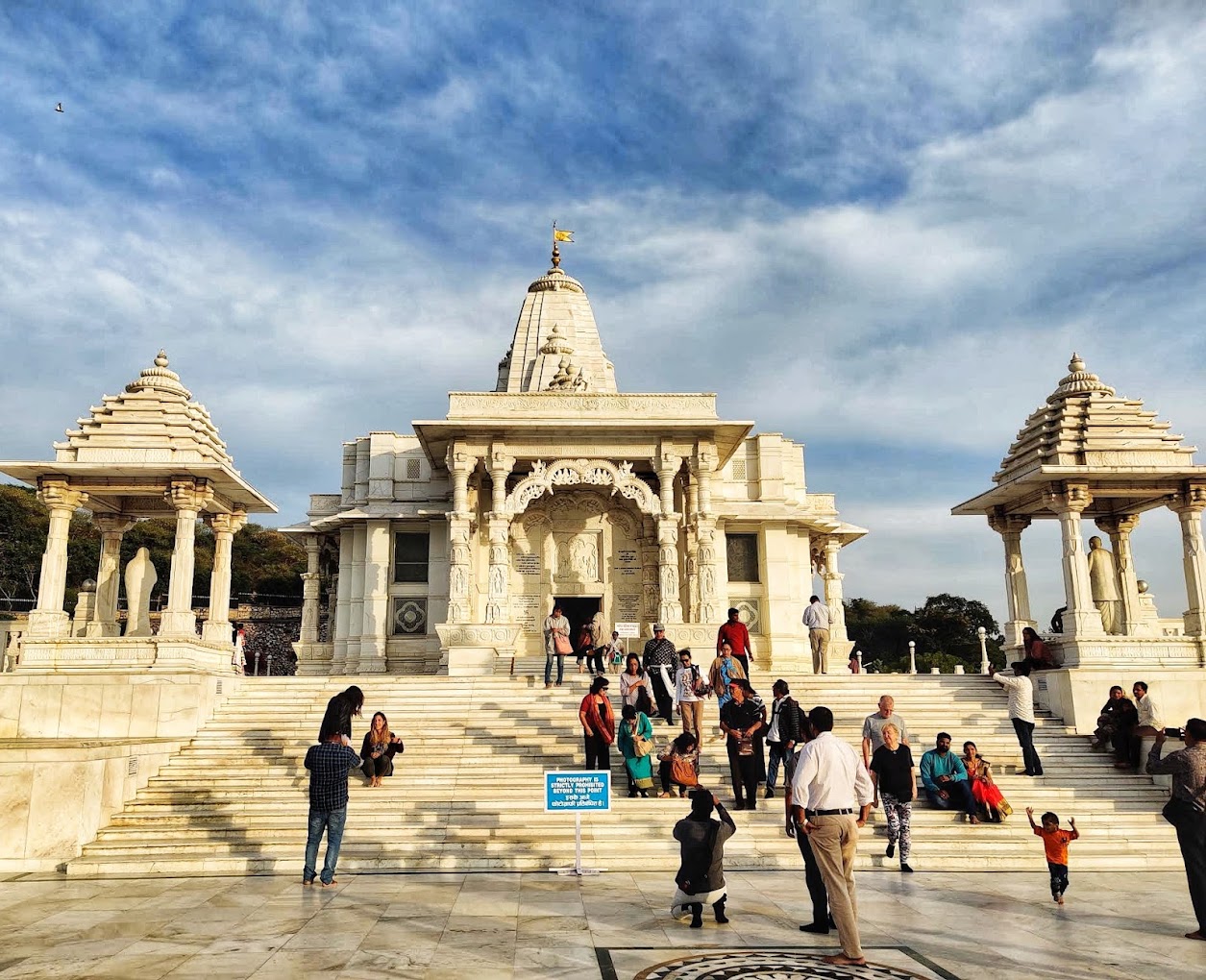
A magnificent white marble temple dedicated to Lord Vishnu and Goddess Lakshmi, featuring stunning architecture and beautiful gardens.
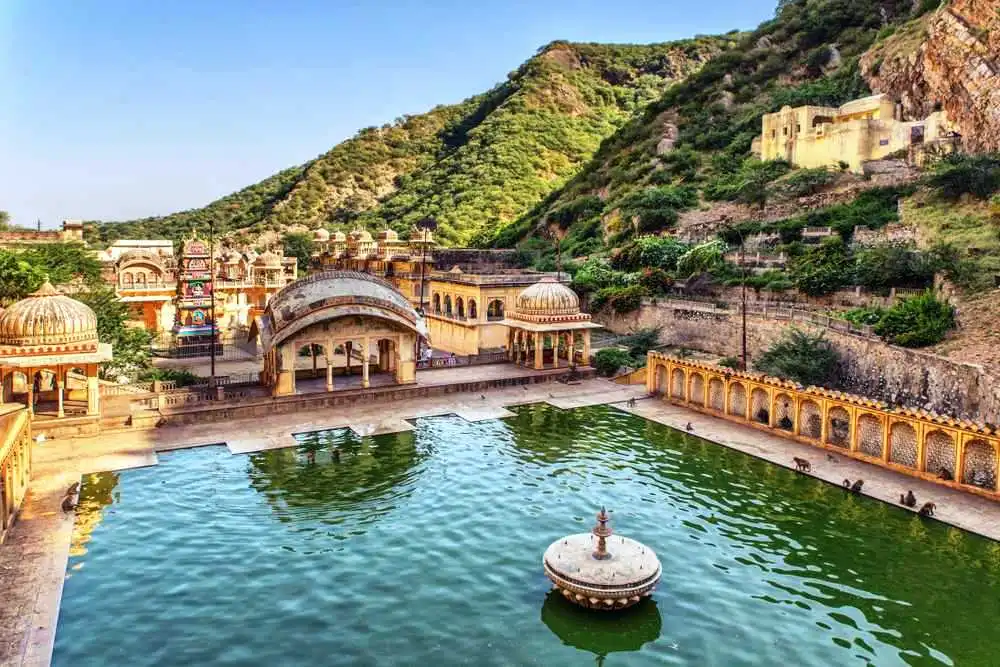
Ancient Hindu pilgrimage site with natural springs and seven sacred pools, famous for its large monkey population.
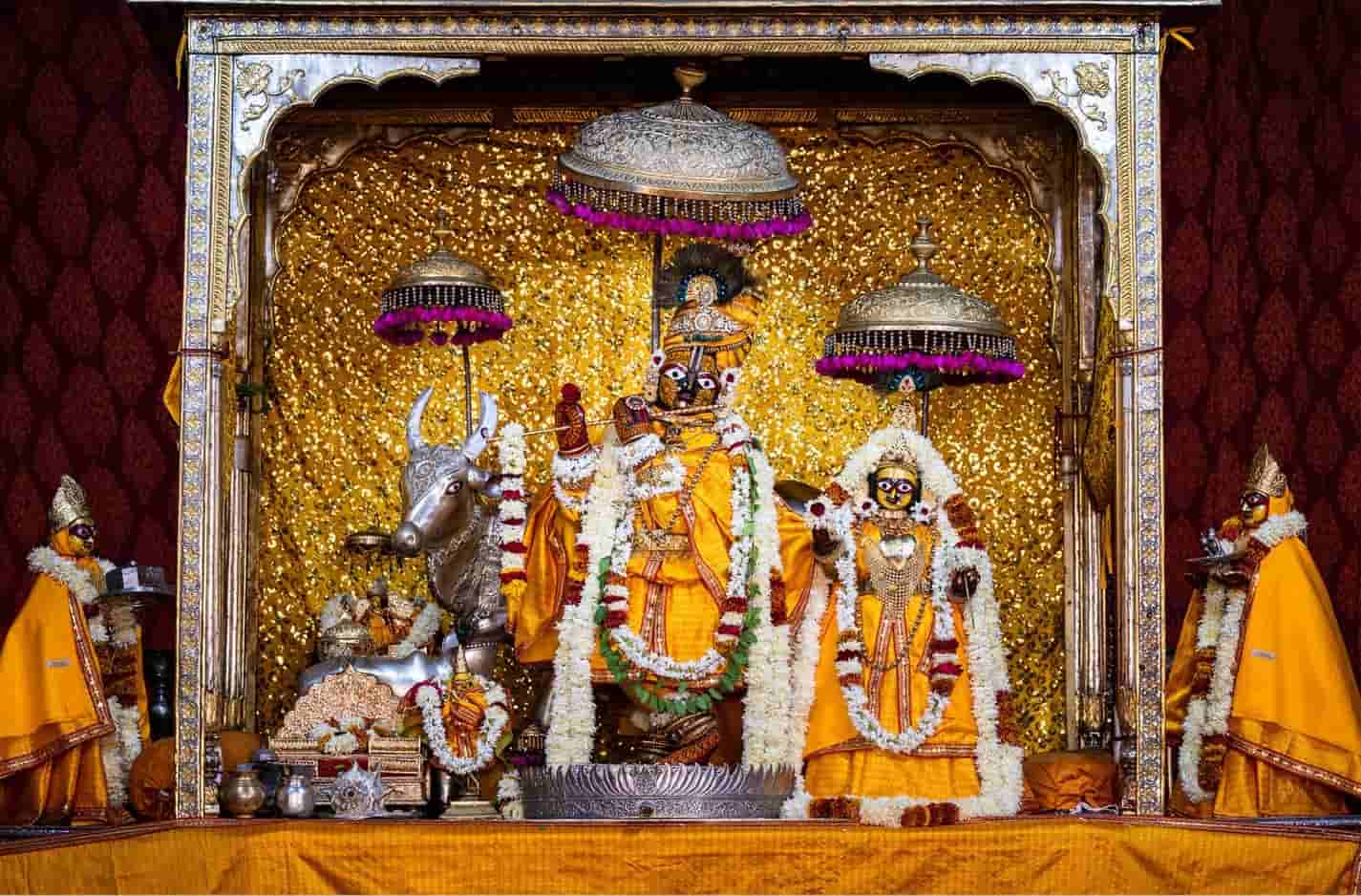
A sacred Hindu temple dedicated to Lord Krishna, known for its spiritual significance and morning aarti ceremonies.
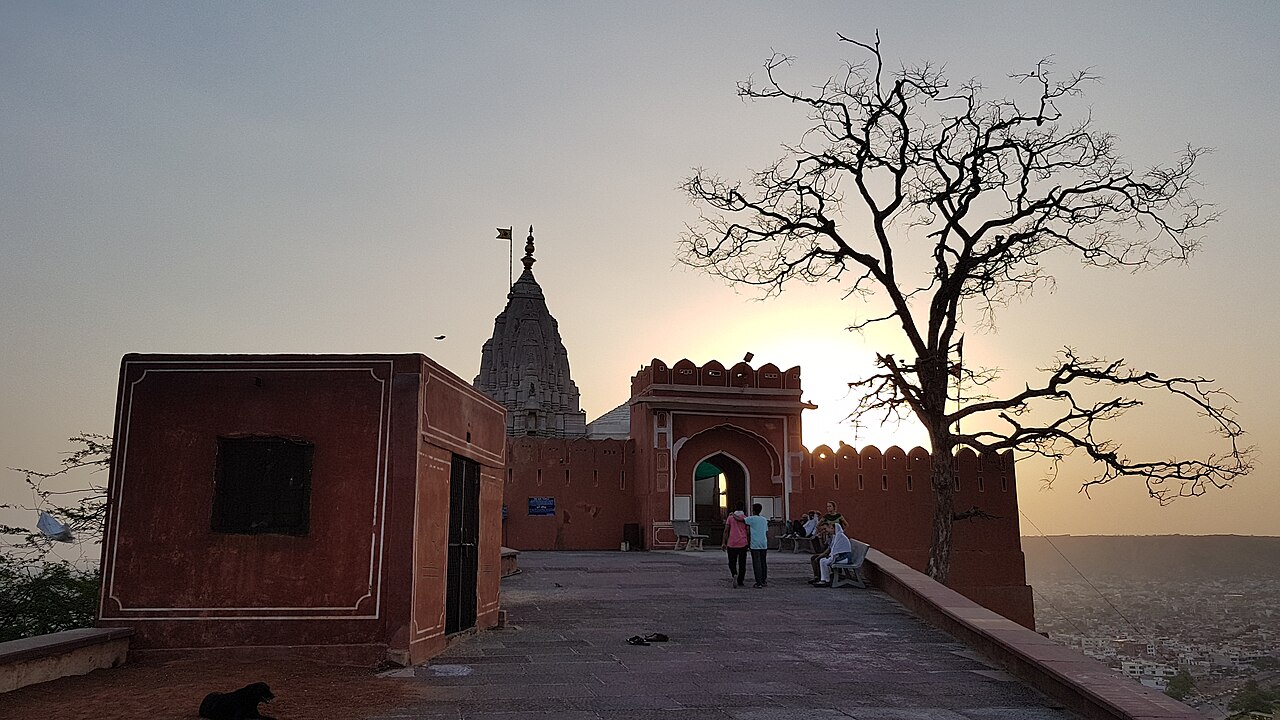
A hilltop temple dedicated to the Sun God, offering panoramic views of Jaipur and known for its sunrise and sunset vistas.
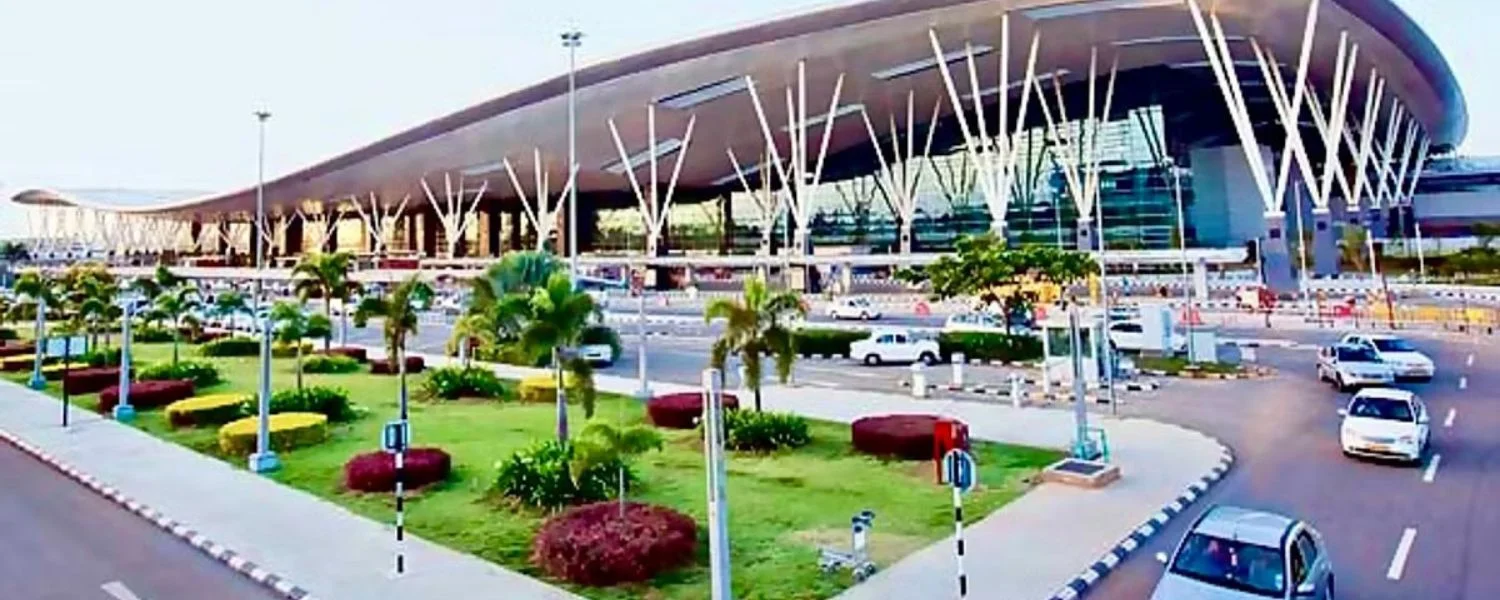
Modern airport connecting Jaipur to domestic and international destinations, featuring Rajasthani architectural elements.
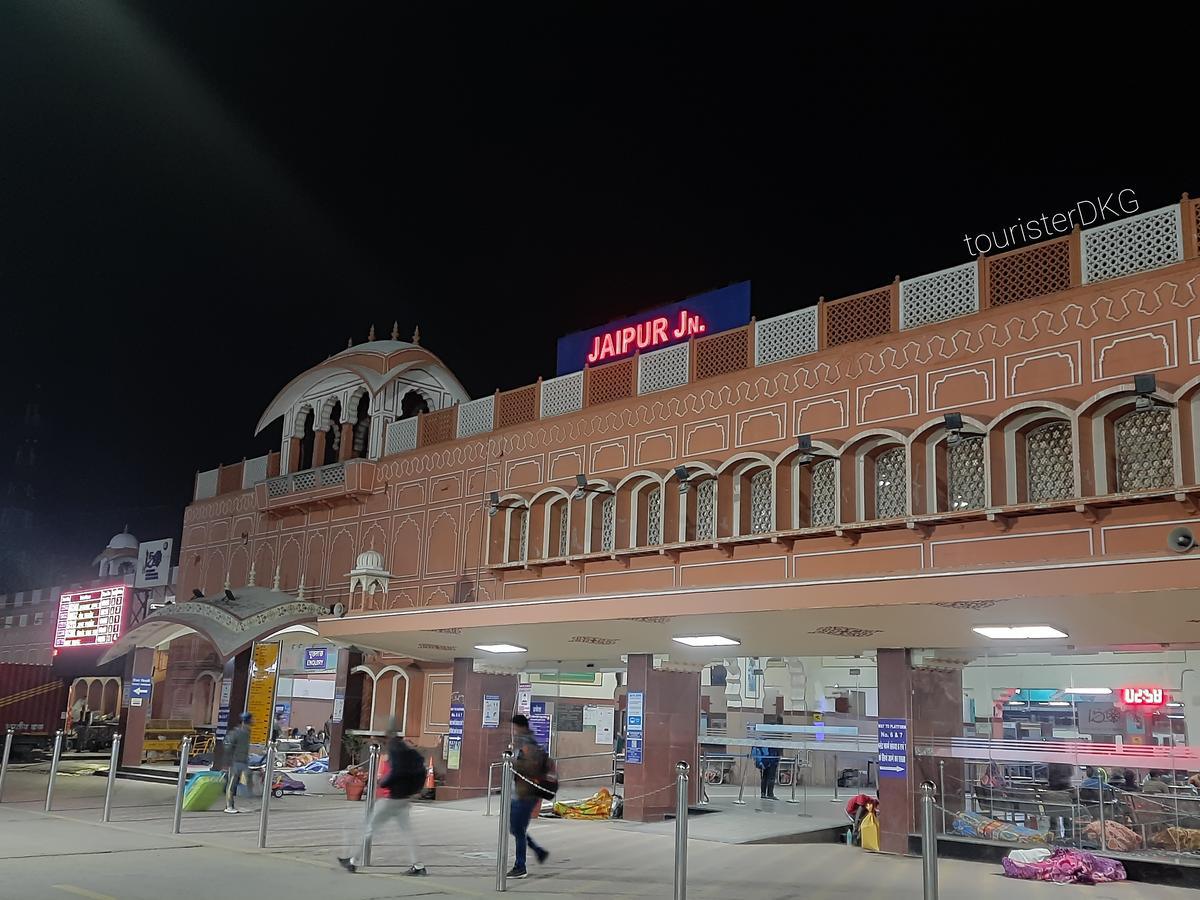
Main railway station connecting Jaipur to major cities across India, featuring a blend of modern facilities and traditional Rajasthani architecture.
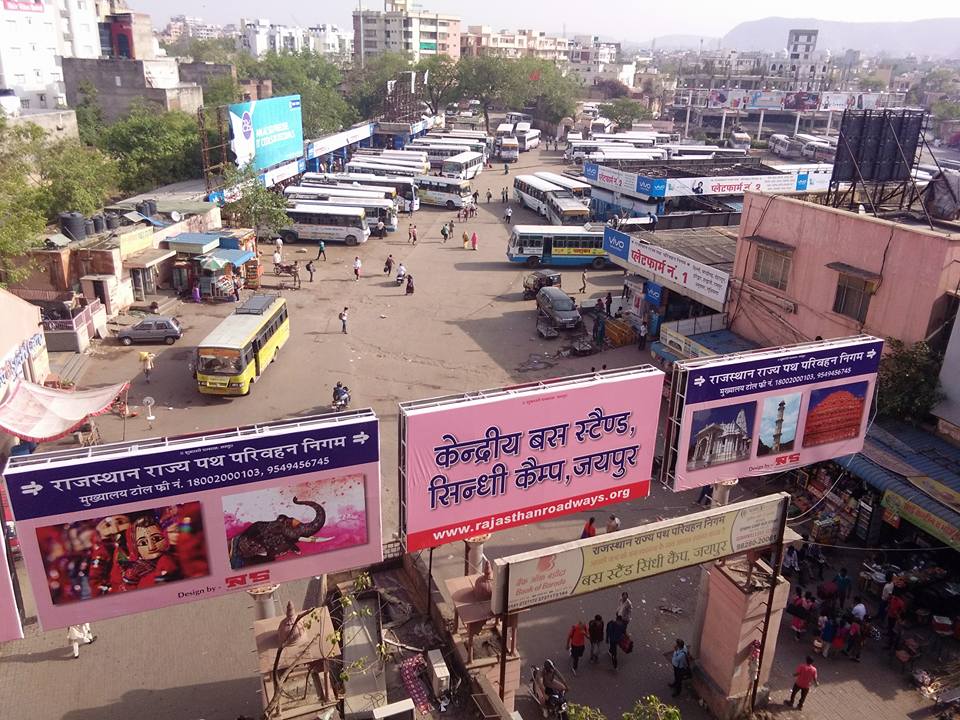
Jaipur's main inter-city bus terminal connecting to destinations across Rajasthan and neighboring states.
Jaipur, affectionately known as the Pink City, is a treasure trove of majestic forts, opulent palaces, ancient temples, and vibrant bazaars. As the capital of Rajasthan, it forms a crucial part of India's famous Golden Triangle tourist circuit. From the delicate, honeycomb-like façade of the Hawa Mahal to the imposing, hilltop walls of the Amber Fort, every corner of the city tells a story of royal grandeur and historic battles.
Navigating these incredible sights has never been more convenient thanks to the modern Jaipur Metro system. The Pink Line connects major transit hubs like the Sindhi Camp Bus Stand and Jaipur Railway Station directly into the heart of the walled city. Stations like Badi Chaupar and Chandpole place you within walking distance of top attractions such as the City Palace, Jantar Mantar, and bustling local markets such as Johari Bazaar and Bapu Bazaar.
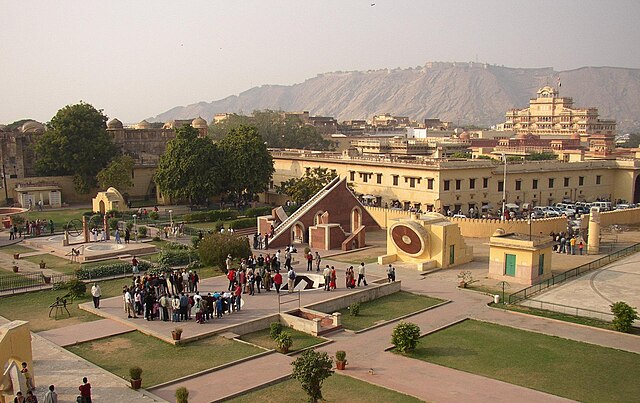
Whether you prefer shopping for authentic Bandhani textiles, marveling at the astronomical instruments of Jantar Mantar, or seeking blessings at the Birla Mandir, utilizing the metro allows tourists to avoid heavy surface traffic, ensuring a cool, affordable, and eco-friendly sightseeing experience in Rajasthan's capital.